

The modern workplace demands unprecedented efficiency, and artificial intelligence has emerged as the ultimate solution for professionals seeking to reclaim their time and maximize productivity. Recent research reveals that employees implementing AI tools in their daily workflows save an average of one hour per day, with some saving between one to two hours daily. This transformation represents more than mere convenience—it’s a fundamental shift in how we approach work, with AI tools now serving as digital assistants that automate repetitive tasks, enhance decision-making, and free up valuable time for strategic activities.
The impact is measurable and significant. A Harvard study found that management consultants incorporating AI tools completed tasks 25.1% more quickly, handled 12.2% more tasks overall, and achieved over 40% higher quality compared to those working without AI assistance. With 94% of employees and 99% of C-suite leaders reporting familiarity with generative AI tools, the technology has moved from experimental to essential.
The AI Revolution in Daily Productivity
Artificial intelligence in productivity represents a paradigm shift from reactive to proactive work management. AI tools excel at handling large amounts of data, identifying patterns, and making real-time decisions while adapting to individual preferences through machine learning. This technology transforms mundane, time-consuming tasks into automated processes, allowing professionals to focus on creative problem-solving and strategic thinking.
Modern AI productivity tools leverage advanced technologies including natural language processing, machine learning, and predictive analytics to deliver personalized recommendations and automate workflows. The benefits extend beyond simple task automation—AI enhances accuracy, provides 24/7 productivity support, and offers fresh perspectives on creative work. These capabilities enable faster decision-making, improved customer service, and more data-driven outcomes across organizations of all sizes.
Essential AI Chatbots and Virtual Assistants
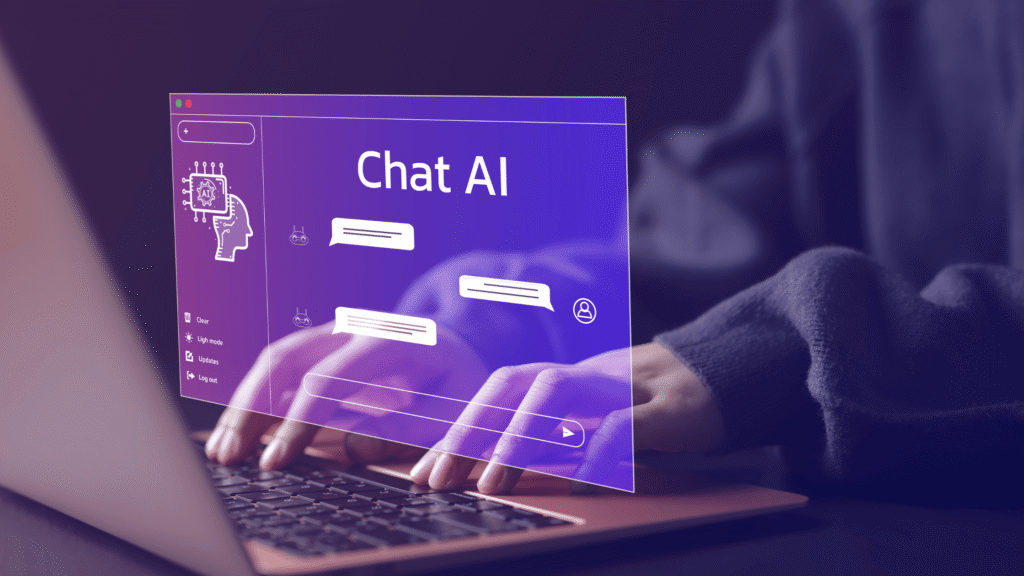
ChatGPT, Claude, and Google Gemini: The Productivity Powerhouses
The three leading AI conversational platforms—ChatGPT by OpenAI, Claude by Anthropic, and Google Gemini—each offer unique strengths for daily productivity tasks. ChatGPT excels as an all-in-one AI toolkit with versatile content generation capabilities and extensive integration options. The platform’s custom GPT marketplace and image generation features make it ideal for users seeking comprehensive AI functionality.
Claude stands out for sophisticated text and code work, offering more natural writing styles and powerful analytical capabilities. Its Constitutional AI framework emphasizes ethical interactions, making it particularly valuable for professional environments requiring responsible AI usage. Claude’s real-time visualization through Artifacts provides superior coding assistance and thoughtful analysis.
Google Gemini integrates seamlessly with Google Workspace applications, making it the optimal choice for teams already embedded in the Google ecosystem. The platform offers fast responses and leverages Google’s infrastructure for enhanced security and performance. For businesses prioritizing Google Workspace integration, Gemini provides unmatched workflow continuity.
Specialized AI Assistants for Targeted Tasks
Beyond the major platforms, specialized AI assistants address specific productivity needs. Microsoft Copilot embeds deeply into Office products, providing contextual assistance across Word, Excel, PowerPoint, and Teams. This integration enables seamless workflow enhancement without switching between applications.
Personal AI builds searchable assistants from individual documents and data, ensuring no information gets lost while maintaining organization and accessibility. These tools transform scattered digital assets into organized, searchable knowledge bases that enhance decision-making and information retrieval.
AI-Powered Email Management Solutions

Email management represents one of the most significant time drains for modern professionals, with the average busy professional receiving 121 emails daily. AI-powered email management tools address this challenge through intelligent filtering, automated responses, and smart prioritization systems.
Advanced Email Automation and Organization
AI email cleaners automatically sort, filter, and optimize inboxes by blocking spam, unsubscribing from unwanted newsletters, and prioritizing important messages based on interaction patterns. These tools learn from user behavior, adapting over time to provide increasingly accurate filtering and organization.
Hiver AI Summarizer exemplifies advanced email processing by converting lengthy email conversations into brief, actionable notes. This capability proves invaluable for customer support teams managing high email volumes, allowing agents to quickly understand context without reading through entire conversation threads.
Smart Email Composition and Response
AI email assistants like Flowrite streamline email composition by generating personalized messages based on brief prompts. These tools analyze context, recipient information, and communication goals to create appropriate email content that maintains professional tone and clarity.
Advanced platforms integrate with existing email systems, providing real-time grammar checking, style suggestions, and context-aware recommendations. Gmail’s Gemini AI and Outlook’s Copilot represent enterprise-grade solutions that enhance email productivity through intelligent automation and predictive text features.
Meeting Intelligence and Transcription Tools

Meeting management has transformed through AI-powered transcription and analysis tools that capture, process, and extract actionable insights from conversations. These solutions address the common challenge of meeting overload while ensuring important information isn’t lost.
Automated Meeting Documentation
Speak AI’s Meeting Assistant automatically joins meetings across major platforms including Zoom, Microsoft Teams, Google Meet, and Webex. The system records, transcribes, and analyzes conversations while providing customizable branding options for professional presentation. Beyond basic transcription, Speak AI converts unstructured meeting data into searchable insights, identifying patterns, trends, and action items across multiple sessions.
Fireflies and tl;dv represent specialized meeting intelligence platforms that optimize meeting productivity by 35%. These tools increase action item completion rates by 28% while reducing follow-up communications by 41%, demonstrating measurable improvements in meeting effectiveness.
Real-Time Analysis and Insights
Advanced meeting AI tools go beyond transcription to provide real-time analysis of conversation dynamics, speaker contributions, and decision points. Nyota enhances productivity by automating note-taking, task management, and meeting planning. These platforms integrate with project management systems, automatically creating tasks and assignments based on meeting discussions.
The technology enables global teams to coordinate effectively across time zones by processing meeting recordings and generating summaries with key decisions, action items, and next steps. This capability proves particularly valuable for distributed teams requiring consistent communication and follow-through.
AI-Driven Content Creation and Writing Assistance

Content creation represents a significant time investment for most professionals, from writing emails and reports to creating marketing materials and presentations. AI writing assistants have revolutionized this process by automating repetitive writing tasks while enhancing content quality.
Advanced Writing Enhancement
Grammarly stands as the leading AI-powered writing assistant, offering real-time grammar checking, style suggestions, and tone optimization across 500,000+ applications and websites. The platform’s AI capabilities extend beyond basic proofreading to include idea generation, content rewriting for different audiences, and context-specific suggestions.
The tool’s ability to maintain consistent brand voice across team communications makes it invaluable for organizations requiring standardized messaging. Grammarly’s AI analyzes writing patterns to provide personalized suggestions that sound authentic while improving clarity and effectiveness.
Comprehensive Content Generation
Jasper AI and Copy.ai lead the content creation space with intuitive templates and advanced generation capabilities. These platforms create everything from blog posts and social media content to email campaigns and product descriptions. Writesonic adds web search integration, enabling content generation with current information and relevant citations.
Notion AI integrates content creation directly into project management workflows, combining writing assistance with organizational tools. The platform’s AI features include text summarization, brainstorming assistance, and social media post generation, streamlining content workflows within existing productivity systems.
Smart Scheduling and Calendar Management
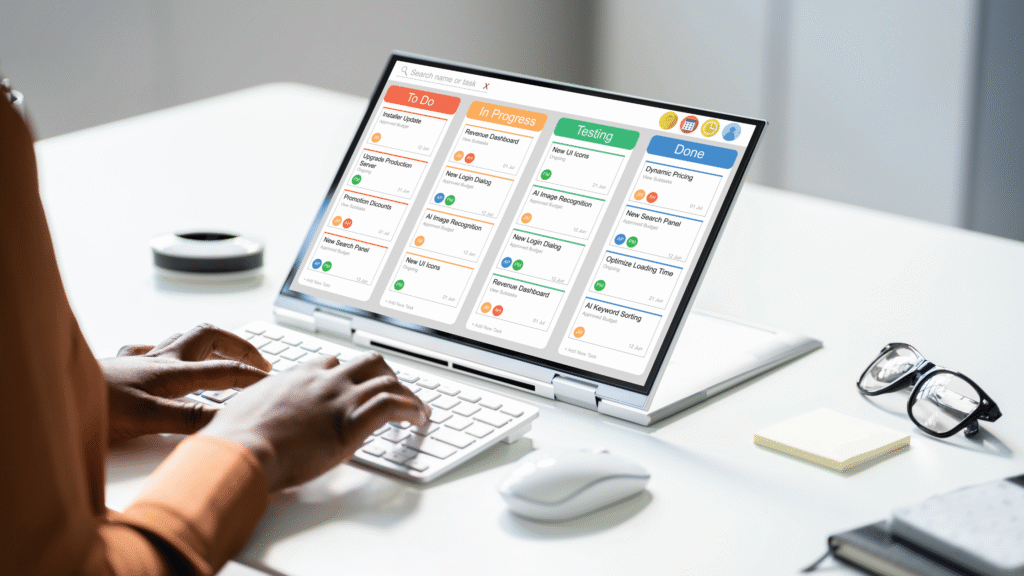
Calendar management and meeting coordination consume significant time through endless email exchanges and scheduling conflicts. AI-powered scheduling tools eliminate this friction through intelligent automation and optimization.
Intelligent Calendar Optimization
Reclaim.ai emerges as a leading solution for AI-powered calendar management, automatically protecting time for important tasks while optimizing meeting schedules. The platform analyzes calendar patterns, task priorities, and collaboration requirements to create ideal daily schedules that balance deep work with necessary meetings.
Motion focuses on project management integration, helping users track tasks while automatically scheduling them based on priority and available time slots. By connecting task management with calendar optimization, Motion ensures important work receives dedicated time slots while preventing overcommitment.
Automated Meeting Coordination
Clockwise specializes in team scheduling optimization, promising to save one hour per week by intelligently arranging meetings and protecting focus time. The platform analyzes team calendars to identify optimal meeting times while creating concentrated blocks for individual work.
AI scheduling tools operate continuously, processing scheduling requests and adjusting to changes regardless of time zones or working hours. This 24/7 availability proves particularly valuable for global teams requiring seamless coordination across different regions and time zones.
AI-Powered Data Analysis and Automation

Data analysis traditionally requires significant time and expertise, but AI tools democratize these capabilities by automating complex analytical processes and providing accessible insights.
Automated Data Processing
Bardeen.ai specializes in automating repetitive data workflows by connecting hundreds of SaaS applications and website sources. The platform enables AI-driven automation for tasks including web scraping, data synchronization, and unstructured data analysis without requiring coding expertise.
Microsoft Power BI integrates AI capabilities throughout the data pipeline, offering language detection, sentiment scoring, and key phrase extraction during data preparation. These pre-trained machine learning models process unstructured data such as customer reviews and support tickets, delivering cleaner insights with minimal manual intervention.
Predictive Analytics and Insights
Alteryx One represents enterprise-grade data automation, combining AI-powered workflows with self-service analytics. The platform transforms data preparation, analysis, and visualization into automated processes while ensuring governance and security compliance.
Advanced AI data tools process up to 500,000 transactions per second while identifying spending patterns and delivering real-time recommendations. This capability proves particularly valuable for financial analysis, business intelligence, and operational optimization across various industries.
Financial Management and Personal Finance AI

Personal financial management often involves tedious manual tracking and analysis, making it an ideal application for AI automation. Modern AI financial tools transform how individuals and businesses manage money, budgets, and investments.
Intelligent Budget Management
Cleo serves as a conversational AI financial assistant that analyzes spending patterns, income streams, and financial goals to provide personalized recommendations. The chatbot interface makes financial management accessible while offering insights into spending habits and saving opportunities.
Origin provides comprehensive financial management by consolidating tax filing, estate planning, budgeting, and investment management into a single platform. Its AI capabilities act as a personalized financial advisor with holistic understanding of user finances, providing meaningful advice for retirement planning, emergency fund building, and investment optimization.
Automated Financial Analysis
Wally and similar AI-powered budgeting apps automatically categorize expenses and income while suggesting optimal saving strategies. WallyGPT’s chatbot service simplifies budget management by providing conversational access to financial insights and recommendations.
Advanced financial AI tools integrate with multiple bank accounts and financial institutions to provide unified financial oversight. These platforms analyze transaction patterns, predict financial impacts, and recommend debt management strategies while maintaining bank-level security standards.
AI Tools for Task and Project Management

Project management benefits significantly from AI integration, with tools that automate task creation, optimize workflows, and provide intelligent project insights.
Automated Task Management
ClickUp AI transforms project management through automated task suggestions, workflow optimization, and intelligent scheduling. The platform analyzes project patterns to recommend task dependencies, deadlines, and resource allocation while providing real-time progress tracking.
Asana’s AI features include smart goal setting using historical data, project risk identification, and workflow optimization. The system provides project visibility by answering questions about progress and identifying potential blockers before they impact timelines.
Intelligent Project Optimization
Any.do generates task suggestions based on project descriptions, helping users identify all necessary steps for project completion. The AI analyzes project context to suggest additional tasks that might be overlooked, ensuring comprehensive project planning.
BeeDone gamifies task management by incorporating productivity principles from experts like Cal Newport and James Clear. The platform uses AI to guide users through habit tracking, task prioritization, and engagement optimization through game-like rewards and challenges.
Social Media Management and Automation

Social media management across multiple platforms requires consistent content creation, scheduling, and engagement monitoring—tasks ideally suited for AI automation.
Automated Content Creation and Scheduling
Copy.ai’s GTM AI platform specializes in social media automation, helping businesses maintain consistent presence across platforms while generating engaging content. The system analyzes audience behavior and platform requirements to optimize content for maximum engagement.
AI social media tools automate posting schedules, content variation, and audience targeting while maintaining brand consistency. These platforms analyze performance metrics to recommend optimal posting times, content types, and engagement strategies.
Performance Analysis and Optimization
Advanced social media AI tools provide comprehensive analytics that identify successful content patterns, audience preferences, and engagement trends. This analysis enables data-driven decision-making for content strategy and audience development.
The automation extends to community management, with AI systems capable of responding to common inquiries, categorizing comments, and escalating complex issues to human managers when necessary.
Document Automation and Processing

Document-heavy workflows benefit enormously from AI automation, particularly in processing, generation, and information extraction tasks.
Automated Document Generation
AI document automation platforms like Aidocmaker generate reports, proposals, and presentations with customizable templates and formatting. These tools support multiple file formats while providing live previews and cloud service integration for seamless document management.
Microsoft’s AI Builder Document Automation Toolkit combines Power Automate, Power Apps, and AI Builder to create comprehensive document processing solutions. The system orchestrates document workflows while extracting information and managing approval processes automatically.
Intelligent Information Extraction
Docugami specializes in extracting actionable data from business documents using generative AI. The platform converts unstructured content into structured information, enhancing efficiency for compliance, analysis, and decision-making processes.
Advanced document AI tools process various document types including contracts, invoices, and reports while maintaining accuracy and compliance standards. These systems reduce manual document processing time by up to 80% while improving accuracy and consistency.
Customer Service and Support Automation

Customer service automation through AI tools addresses the growing demand for instant, accurate support while reducing operational costs and improving customer satisfaction.
AI-Powered Customer Support
Aisera’s AI Customer Service integrates chatbots and action bots to provide natural language conversations and automated issue resolution. The platform utilizes enterprise-grade language models to enable personalized, multilingual conversations across digital and voice channels.
Advanced customer service AI systems handle routine inquiries such as order status, delivery dates, and account balances while escalating complex issues to human agents. This approach reduces response times and eliminates human intervention for standard requests while maintaining service quality.
Intelligent Support Analytics
AI customer service platforms analyze support interactions to identify common issues, successful resolution patterns, and improvement opportunities. These insights enable proactive support strategies and continuous service enhancement.
The technology provides 24/7 availability while learning from each interaction to improve future responses and recommendations. This continuous learning capability ensures customer service quality improves over time while reducing operational costs.
Research and Information Management Tools

Research and information management represent time-intensive activities that benefit significantly from AI automation and enhancement.
AI-Enhanced Research Capabilities
Modern AI research tools automate literature searches, citation tracking, and data analysis while providing evidence-based insights. Platforms like Consensus, Elicit, and Scite streamline academic workflows by identifying relevant sources, summarizing findings, and managing citation requirements.
These tools leverage natural language processing and machine learning to deliver precise, evidence-based results while reducing the time required for comprehensive research. The automation extends to systematic reviews and meta-analyses, enabling researchers to process larger volumes of information efficiently.
Intelligent Information Organization
AI tools transform scattered information into organized, searchable knowledge bases that enhance decision-making and information retrieval. Personal AI and similar platforms create searchable assistants from individual documents and data, ensuring critical information remains accessible.
Advanced information management systems analyze document relationships, identify key themes, and provide intelligent recommendations for further research or investigation. This capability proves particularly valuable for knowledge workers requiring quick access to relevant information across large document collections.
Measuring AI Productivity Impact and ROI
The implementation of AI productivity tools delivers measurable returns on investment through time savings, cost reduction, and improved output quality.
Quantifiable Productivity Gains
Organizations implementing AI tools report significant measurable improvements across various metrics. Bardeen users save over 12 hours weekly per person through automated workflow optimization. Gamma AI reduces presentation creation time by 78% while achieving 92% audience comprehension scores, demonstrating both efficiency and quality improvements.
Meeting intelligence tools show 35% optimization in meeting productivity, with 28% increases in action item completion and 41% decreases in follow-up communications. These metrics demonstrate AI’s impact on team coordination and project execution effectiveness.
Financial Returns and Time Savings
The average time saved through AI implementation reaches one hour per day per employee, with energy and technology sectors reporting up to 75 minutes daily. This time savings translates directly to cost reductions and increased capacity for value-added activities.
Harvard research demonstrates that AI-assisted workers complete tasks 25.1% faster while handling 12.2% more total tasks and achieving 40% higher quality outcomes. These improvements represent substantial productivity gains that justify AI investment costs across various business functions.
Long-term Strategic Benefits
Beyond immediate time savings, AI tools provide strategic advantages through improved decision-making, enhanced customer service, and increased competitive positioning. Organizations using AI report better resource allocation, more accurate forecasting, and improved customer satisfaction scores.
The cumulative effect of AI productivity tools extends beyond individual efficiency gains to organizational transformation, enabling companies to scale operations without proportional increases in overhead costs while maintaining or improving service quality.
Implementation Best Practices and Future Trends
Successful AI productivity implementation requires strategic planning, proper training, and continuous optimization to maximize benefits and ensure sustainable adoption.
Strategic Implementation Approach
Effective AI adoption begins with identifying the most time-consuming, repetitive tasks that offer clear automation opportunities. Organizations should start with simple, high-impact applications before expanding to more complex workflows. This approach builds confidence and demonstrates value while developing internal AI expertise.
Training and customization play crucial roles in AI tool effectiveness. Platforms requiring initial guidance on vocabulary, tone, and style preferences deliver better results when properly configured. Regular performance monitoring ensures AI tools continue meeting productivity goals while identifying optimization opportunities.
Emerging Technology Integration
The AI productivity landscape continues evolving with new capabilities including voice integration, real-time translation, and advanced agent functionalities. Future developments promise hands-free email management, automated document analysis, and predictive task scheduling based on behavior patterns.
Integration with emerging technologies like blockchain, IoT, and augmented reality will expand AI productivity applications across industries. These developments will enable more sophisticated automation while maintaining security and compliance requirements essential for business operations.
Conclusion
AI productivity tools have transitioned from experimental technologies to essential business infrastructure, delivering measurable time savings, cost reductions, and quality improvements across diverse applications. The evidence demonstrates clear benefits: employees save an average of one hour daily, complete tasks 25% faster, and achieve 40% higher quality outcomes when incorporating AI into their workflows.
For organizations beginning their AI journey, focus on high-impact, low-complexity applications such as email management, meeting transcription, and basic content creation. These areas provide immediate returns while building organizational confidence in AI capabilities. Advanced users should explore specialized tools for data analysis, customer service automation, and comprehensive workflow integration.
The key to successful AI productivity implementation lies in selecting tools that align with existing workflows while providing clear, measurable benefits. Whether choosing comprehensive platforms like ChatGPT and Notion AI or specialized solutions like Grammarly and Reclaim.ai, the focus should remain on tools that enhance human capabilities rather than replacing human judgment and creativity.
As AI technology continues advancing, early adopters who implement these productivity tools effectively will maintain significant competitive advantages through improved efficiency, reduced operational costs, and enhanced service delivery. The future belongs to organizations that successfully integrate AI into their daily operations while maintaining focus on strategic, high-value activities that drive business growth and innovation.