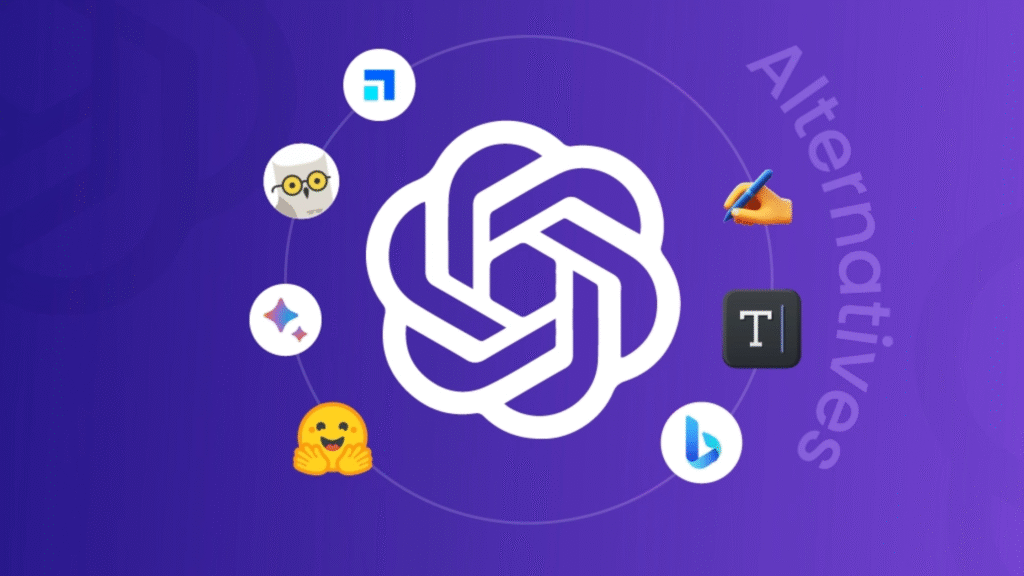

The artificial intelligence landscape has evolved dramatically since ChatGPT’s groundbreaking launch in late 2022. While OpenAI’s chatbot remains the market leader, a diverse ecosystem of AI alternatives has emerged, each offering unique strengths and capabilities. Whether you’re seeking better privacy, specialized features, or simply exploring your options, this comprehensive guide explores the top ChatGPT alternatives available in 2025.
Why Consider ChatGPT Alternatives?
Before diving into specific alternatives, it’s important to understand why you might want to explore other options beyond ChatGPT. Despite its popularity, ChatGPT has several limitations that drive users to seek alternatives.
Cost Considerations: ChatGPT’s premium features require at least $20 per month for the best experience1. Many alternatives offer competitive features at lower costs or even for free.
Privacy and Data Concerns: Some users prefer platforms with stronger privacy commitments or those that don’t use conversations for training purposes.
Specialized Features: Different AI assistants excel in specific areas like real-time web access, multimodal capabilities, or integration with existing tools.
Regional Availability: ChatGPT isn’t available everywhere, making alternatives essential for users in certain regions.
Top ChatGPT Alternatives for 2025
1. Google Gemini (Formerly Bard) – Best Free Alternative
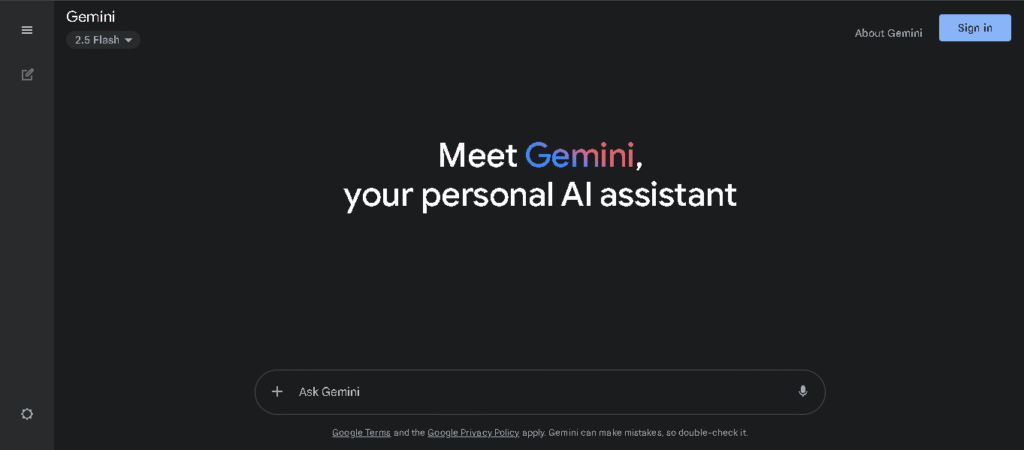
Google Gemini stands out as one of the most compelling free alternatives to ChatGPT. Built on Google’s proprietary Gemini 2.0 Flash model, it offers impressive speed and accuracy.
Key Features:
- Real-time web access powered by Google’s search algorithms
- Multimodal capabilities supporting text, image, and video analysis
- Deep Google ecosystem integration with Docs, Sheets, and Gmail
- Live voice interaction and real-time knowledge updates
Pricing: Free with basic features; Gemini Advanced at $19.99/month includes 2TB Google One storage
Best For: Users already embedded in the Google ecosystem who need real-time information and multimodal AI assistance.
2. Anthropic Claude – Best for Ethical AI
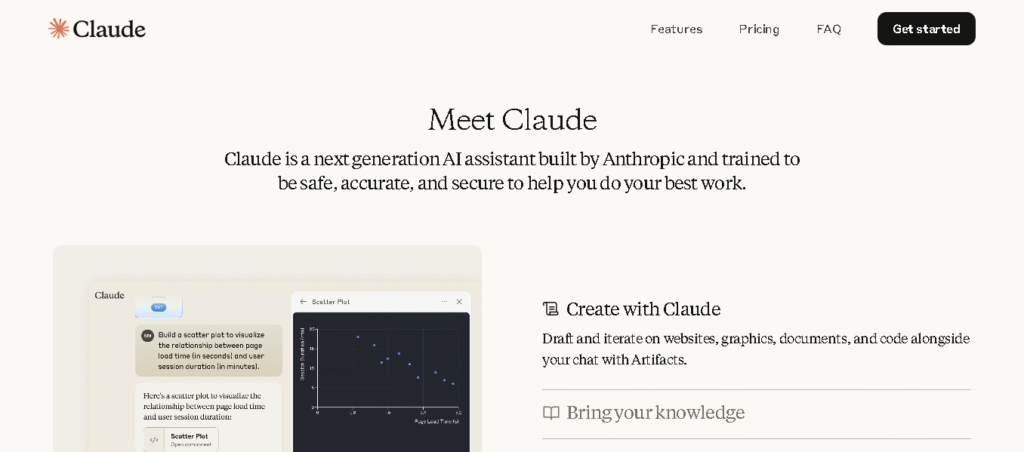
Claude, developed by Anthropic, has gained recognition for its thoughtful, ethical approach to AI conversations. The platform emphasizes safety and transparency in its responses.
Key Features:
- Massive context window of up to 200,000 tokens (approximately 150,000 words)
- Constitutional AI approach ensuring transparent and reliable responses
- Superior writing quality with more creative and natural-sounding responses
- Enterprise-ready platform with strong privacy protections
Pricing: Free tier available; Claude Pro at $20/month for unlimited usage
Best For: Users who prioritize ethical AI, need to process long documents, or require high-quality creative writing assistance.
3. Microsoft Copilot – Best for Productivity
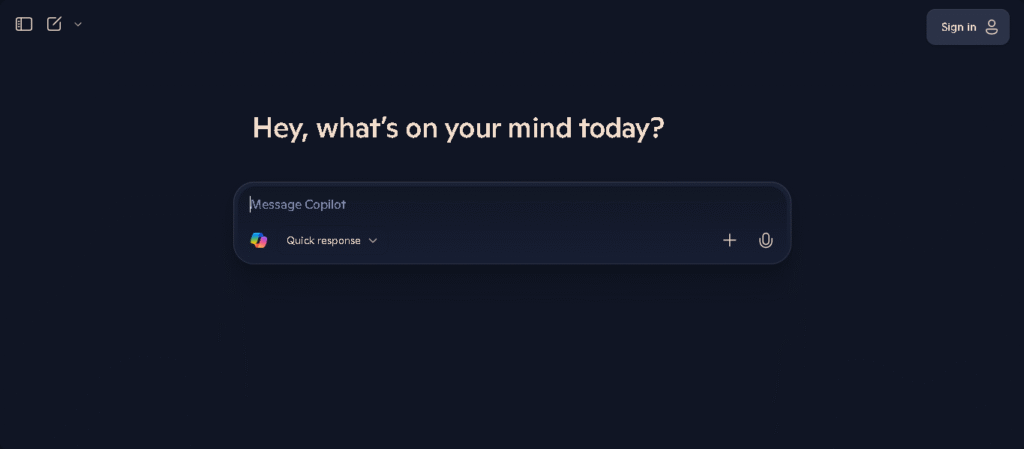
Microsoft Copilot leverages GPT-4 architecture while offering seamless integration with Microsoft’s productivity suite. It’s particularly powerful for users already using Microsoft 365.
Key Features:
- Deep Microsoft 365 integration across Word, Excel, PowerPoint, and Teams
- Free access to GPT-4 capabilities with daily limits
- Voice interaction and Think Deeper research functionality
- Code generation and technical assistance
Pricing: Free with limitations; Microsoft 365 Copilot from $20/month
Best For: Business users, Microsoft ecosystem users, and those needing productivity-focused AI assistance.
4. Perplexity AI – Best for Research
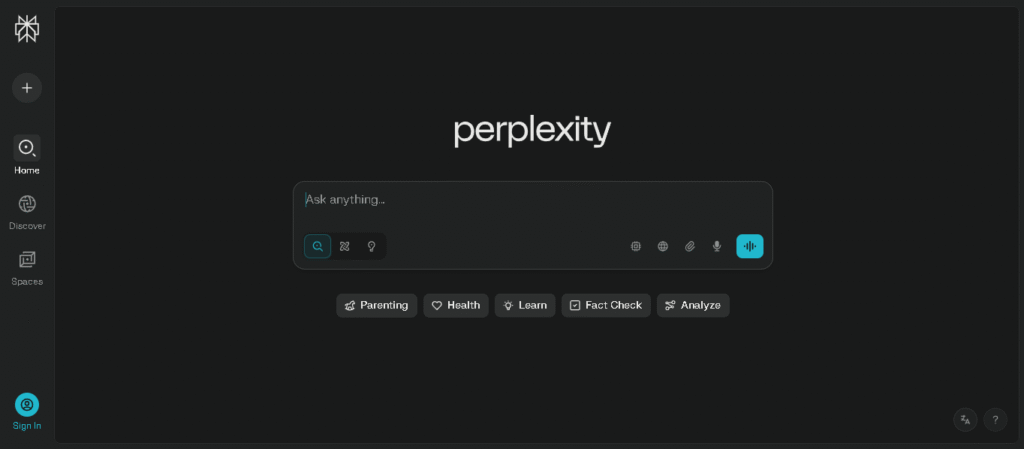
Perplexity AI excels as a research-focused alternative, positioning itself as an “answer engine” rather than just a chatbot. It provides sourced, factual responses with real-time web access.
Key Features:
- Real-time web search with comprehensive source citations
- Deep research capabilities with multi-step reasoning
- File upload and analysis for document-based queries
- Multiple AI model access including GPT-4, Claude, and others
Pricing: Free tier with 3 Pro searches daily; Pro subscription at $20/month for unlimited access
Best For: Researchers, students, journalists, and anyone needing well-sourced, factual information.
5. Grok – Best for X (Twitter) Integration
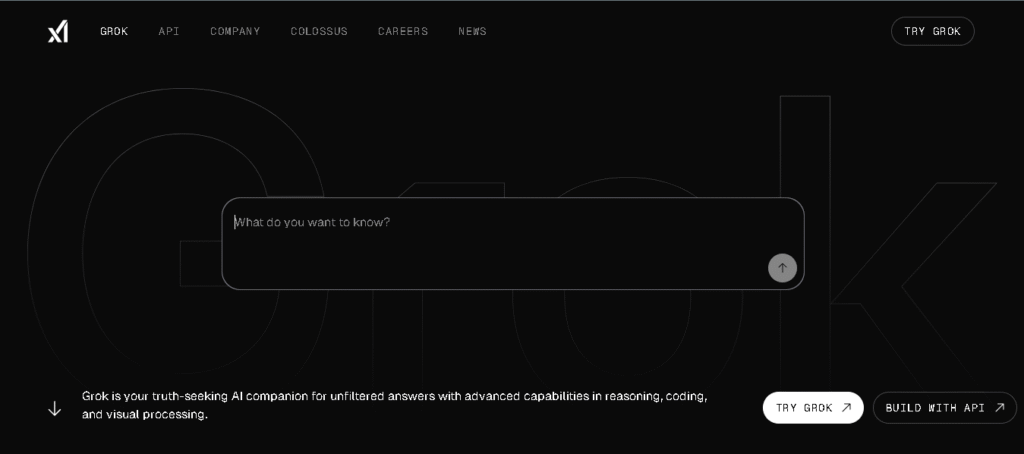
Developed by Elon Musk’s xAI, Grok offers unique integration with X (formerly Twitter) and aims to provide “maximally truth-seeking” responses.
Key Features:
- Real-time X data integration for current events and trending topics
- Web search and DeepSearch capabilities
- Voice modes for natural conversation
- Competitive performance with Grok 3 matching top-tier models
Pricing: Free with X Premium ($8/month); SuperGrok from $30/month
Best For: X users who want AI assistance integrated with social media and current events.
6. DeepSeek – Best Free Reasoning Model
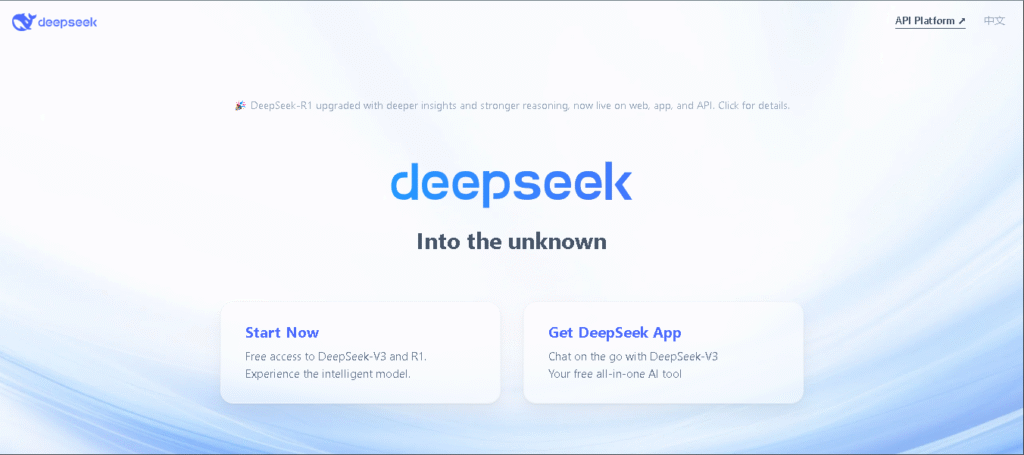
DeepSeek, a Chinese AI company, has made waves with its cost-effective yet powerful AI models. The platform offers both general chat and specialized reasoning capabilities.
Key Features:
- Completely free access to advanced AI capabilities
- DeepSeek-R1 reasoning model comparable to OpenAI’s o
- DeepThink toggle for enhanced reasoning tasks
- Global availability including mobile apps
Pricing: Completely free
Best For: Budget-conscious users seeking powerful AI capabilities without subscription costs.
7. Character.AI – Best for Entertainment
Character.AI specializes in creating engaging, personality-driven conversations with AI characters. It’s designed for entertainment and creative interactions.
Key Features:
- Customizable AI characters with distinct personalities
- Creative storytelling and role-playing capabilities
- Community-created characters for diverse interaction styles
- Voice and text interactions
Pricing: Free with limitations; Character.AI+ at $9.99/month
Best For: Creative users, entertainment seekers, and those interested in character-based AI interactions.
8. Hugging Face Chat – Best Open-Source Platform
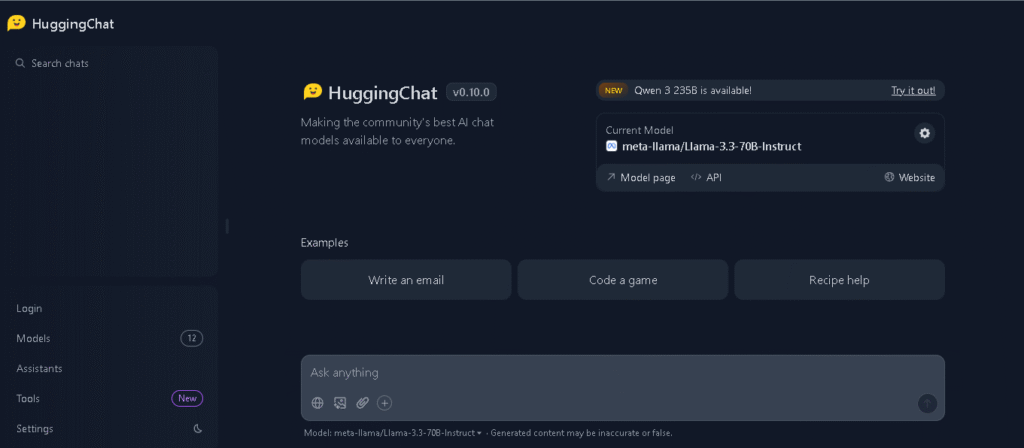
HuggingChat provides access to multiple open-source AI models in a single interface, offering unprecedented flexibility.
Key Features:
- Multiple model access including Meta’s Llama 3, Google’s Gemma, Microsoft’s Phi-35
- Model switching between different AI systems instantly
- Privacy-focused with no conversation tracking for training
- Web search toggle for real-time information access
Pricing: Completely free
Best For: Developers, researchers, and privacy-conscious users who want to experiment with different AI models.
9. Meta AI – Best Social Media Integration
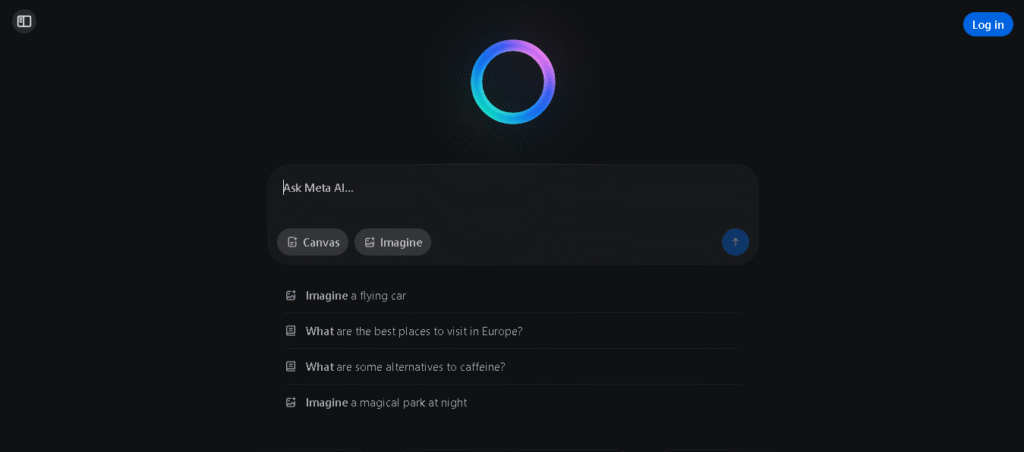
Meta AI, powered by the Llama 3 model, is integrated across Facebook, Instagram, WhatsApp, and Messenger. It offers unique social media-focused capabilities.
Key Features:
- Cross-platform availability across Meta’s ecosystem
- Real-time image generation and editing capabilities
- Social media optimization for content creation
- Free access across all Meta platforms
Pricing: Free
Best For: Social media users, content creators, and those heavily invested in Meta’s ecosystem.
10. Writesonic – Best for Content Creation
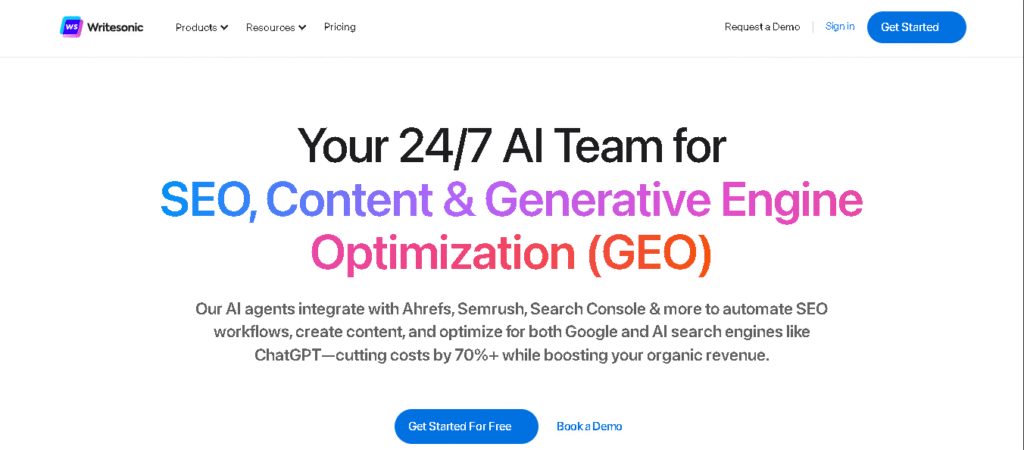
Writesonic focuses specifically on content creation and marketing applications. It’s designed for professional content creators and marketers.
Key Features:
- SEO optimization tools for better search visibility
- Multiple content formats including blogs, ads, and social media posts
- Brand voice customization for consistent messaging
- Integration capabilities with popular marketing tools
Pricing: Free tier available; paid plans from $20/month
Best For: Content creators, marketers, and businesses needing AI-powered writing assistance.
Specialized AI Alternatives by Use Case
For Coding and Development
GitHub Copilot remains the gold standard for coding assistance, offering seamless IDE integration and context-aware code completion. At $10/month, it’s specifically designed for developers.
Claude also excels in coding tasks, particularly for complex programming challenges, though it costs significantly more than alternatives like Gemini.
For Business and Enterprise
ClickUp AI integrates AI capabilities directly into project management workflows. IBM Watson Assistant provides enterprise-grade conversational AI with robust integration capabilities.
Enterprise considerations include advanced security features, compliance support, and dedicated customer service.
For Privacy-Conscious Users
HuggingChat offers the strongest privacy protections by not using conversations for training purposes. Poe provides access to multiple models while maintaining user privacy.
Pricing Comparison: Free vs. Paid Options
Completely Free Alternatives
- DeepSeek: Full-featured AI with reasoning capabilities
- HuggingChat: Multiple open-source models
- Google Gemini: Basic features with Google integration
- Meta AI: Across Facebook, Instagram, WhatsApp
Budget-Friendly Paid Options
- Character.AI+: $9.99/month for enhanced entertainment features
- GitHub Copilot: $10/month for developers
- Perplexity Pro: $20/month for unlimited research
- Claude Pro: $20/month for advanced capabilities
Enterprise Solutions
Enterprise AI chatbot costs vary significantly, ranging from $5,000-$15,000 for rule-based systems to $20,000-$100,000+ for advanced AI-powered solutions. Subscription models typically range from $99/month for basic business features to custom enterprise pricing.
Key Factors to Consider When Choosing an Alternative
1. Privacy and Security
Different platforms have varying approaches to data handling and privacy. Consider whether your conversations will be used for training, how long data is retained, and what security measures are in place.
2. Integration Capabilities
Consider how well the AI assistant integrates with your existing tools and workflows. Some excel in specific ecosystems (Google, Microsoft, Meta) while others offer broader compatibility.
3. Specialized Features
Identify your primary use cases: research, coding, creative writing, business applications, or general assistance. Different platforms excel in different areas.
4. Cost vs. Value
Evaluate the total cost of ownership, including subscription fees, usage limits, and potential productivity gains. Free alternatives may meet basic needs, while paid options often provide enhanced capabilities.
5. Performance and Reliability
Consider response quality, speed, and accuracy for your specific use cases. Some platforms excel in particular domains while others provide more general-purpose capabilities.
The Future of AI Assistants
The AI chatbot landscape continues evolving rapidly, with several key trends shaping the future:
Multimodal Capabilities: Integration of text, voice, image, and video processing is becoming standard.
Specialized AI Agents: Purpose-built assistants for specific industries and use cases are gaining traction.
Open Source Movement: Platforms like HuggingChat and open-source models like Llama are democratizing AI access.
Privacy-First Approaches: Growing emphasis on user privacy and data protection.
Enterprise Integration: Deeper integration into business workflows and productivity tools.
Conclusion: Choosing Your Ideal ChatGPT Alternative
The AI assistant landscape in 2025 offers remarkable diversity, with each platform bringing unique strengths to the table. Google Gemini provides excellent free access with real-time web capabilities, while Claude excels in ethical AI and long-document processing. For specialized needs, Perplexity AI dominates research applications, GitHub Copilot leads in coding, and Character.AI excels in entertainment.
The choice ultimately depends on your specific needs, budget, and preferred ecosystem. Many users find value in using multiple AI assistants for different purposes rather than relying on a single platform. As the AI landscape continues evolving, staying informed about new developments and regularly reassessing your needs will help you make the most of these powerful tools.
Whether you’re seeking a free alternative, enhanced privacy, specialized features, or better integration with your existing tools, the ChatGPT alternatives in 2025 offer compelling options that can meet virtually any requirement. The key is identifying your priorities and choosing the platform that best aligns with your specific use cases and preferences.