

The keyword research landscape has been transformed by artificial intelligence, with free tools now offering capabilities that rival or exceed expensive premium platforms. In 2025, AI-powered keyword research tools have democratized access to sophisticated SEO insights, enabling businesses of all sizes to discover high-value keywords without the burden of monthly subscriptions. These advanced tools leverage machine learning algorithms, natural language processing, and real-time data analysis to provide comprehensive keyword intelligence that was previously available only through costly enterprise solutions.
The competitive advantage of modern free AI keyword research tools lies in their ability to analyze vast datasets, understand search intent, predict trends, and generate contextual suggestions that align with user behavior patterns. Many of these tools now outperform traditional paid alternatives by incorporating AI capabilities that automate complex research processes while providing deeper insights into search dynamics and content opportunities.
The AI Revolution in Keyword Research
Understanding AI-Powered Keyword Intelligence
Modern AI keyword research tools utilize sophisticated algorithms that go beyond simple search volume metrics to understand the nuances of user intent, semantic relationships, and content context. These systems analyze billions of search queries, user behavior patterns, and content performance data to generate intelligent keyword recommendations that align with actual search behavior rather than theoretical metrics.
The integration of artificial intelligence enables these tools to process natural language descriptions of businesses or topics and automatically generate comprehensive keyword lists with relevant search intent analysis. This capability represents a fundamental shift from manual keyword brainstorming to intelligent, data-driven keyword discovery that considers both explicit and implicit search patterns.
Machine Learning and Predictive Analytics
AI-powered keyword research tools employ machine learning models that continuously improve their accuracy by analyzing search trends, seasonal patterns, and emerging topics. These systems can identify rising keywords before they become competitive, predict search volume fluctuations, and suggest content opportunities based on algorithmic understanding of search engine preferences.
The predictive capabilities of AI tools enable marketers to anticipate keyword trends and optimize content strategies proactively rather than reactively. This forward-looking approach provides significant competitive advantages by identifying opportunities before they become saturated with competition.
1. ChatGPT: The Conversational Keyword Research Assistant
Advanced Prompt Engineering for Keyword Research
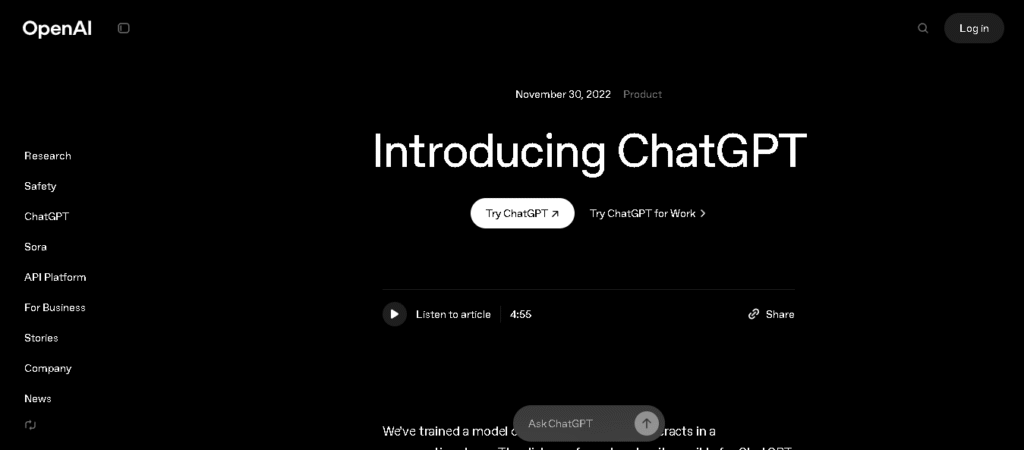
ChatGPT has emerged as one of the most powerful free AI tools for keyword research when used with strategic prompt engineering. The platform excels at generating comprehensive keyword strategies by acting as a market research specialist with access to detailed keyword information and SEO expertise.
Effective ChatGPT keyword research begins with detailed prompts that specify the role, context, and desired output format. For example, prompting ChatGPT to “act as a market research specialist with accurate keyword information” and requesting structured outputs with keyword clusters, search intent analysis, and content recommendations produces professional-grade keyword strategies.
SMART Goal Integration and Strategic Planning
ChatGPT’s capabilities extend beyond simple keyword generation to include SMART (Specific, Measurable, Achievable, Relevant, Time-bound) goal setting for SEO campaigns. The platform can analyze business objectives and recommend keyword strategies that align with specific marketing goals while considering competitive landscapes and resource constraints.
The iterative nature of ChatGPT conversations allows for continuous refinement of keyword strategies through ongoing dialogue. Users can test keyword effectiveness, adjust targeting parameters, and develop comprehensive content plans that incorporate both primary and supporting keywords with appropriate search intent alignment.
Long-Tail Keyword Discovery and LSI Analysis
ChatGPT excels at generating long-tail keyword variations and Latent Semantic Indexing (LSI) keywords that traditional tools often miss. The platform’s natural language understanding enables it to identify semantically related terms, question-based queries, and conversational search patterns that reflect actual user behavior.
The tool’s ability to perform keyword grouping and clustering helps organize research results into logical content categories. This organization capability streamlines content planning by providing clear thematic structures that support comprehensive topic coverage and internal linking strategies.
2. Google Keyword Planner: The Foundation Tool
Professional-Grade Data Access
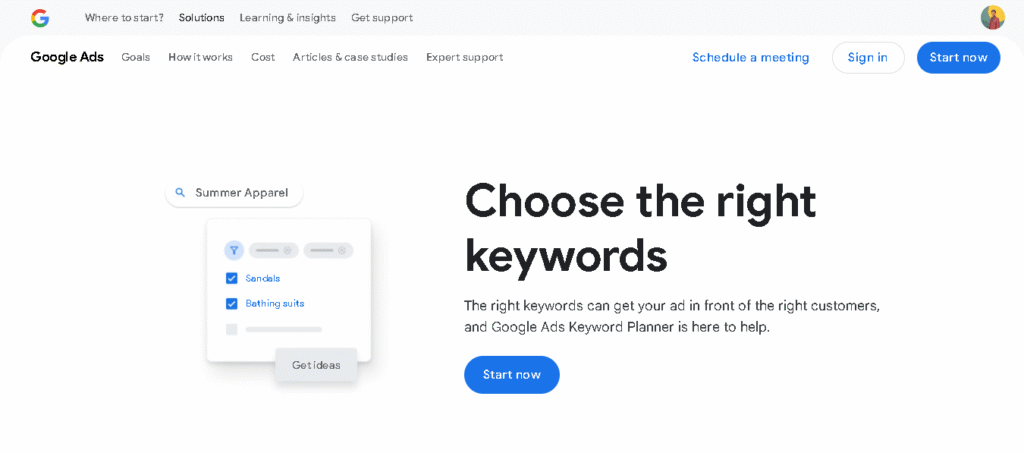
Google Keyword Planner remains the most authoritative source for keyword data, providing direct access to Google’s search databases with accurate search volume information and forecasting capabilities. The platform offers professional-grade insights without cost, though it requires a Google Ads account for full functionality.
The tool’s strength lies in its integration with Google’s advertising ecosystem, providing cost-per-click data, competition levels, and bid estimates that inform both SEO and PPC strategies. Historical data access enables trend analysis and seasonal pattern identification that supports long-term content planning.
Advanced Filtering and Location Targeting
Google Keyword Planner’s advanced filtering capabilities allow for precise keyword research based on geographic locations, languages, and search networks. This granular targeting enables local SEO optimization and international market research without additional tools or subscriptions.
The platform’s forecasting features provide projected search volumes, click estimates, and budget recommendations that support strategic planning. These predictive capabilities help prioritize keyword targets based on expected performance and resource requirements.
3. SEO.AI: Intelligent Business-Focused Keyword Generation
Context-Aware Keyword Suggestions
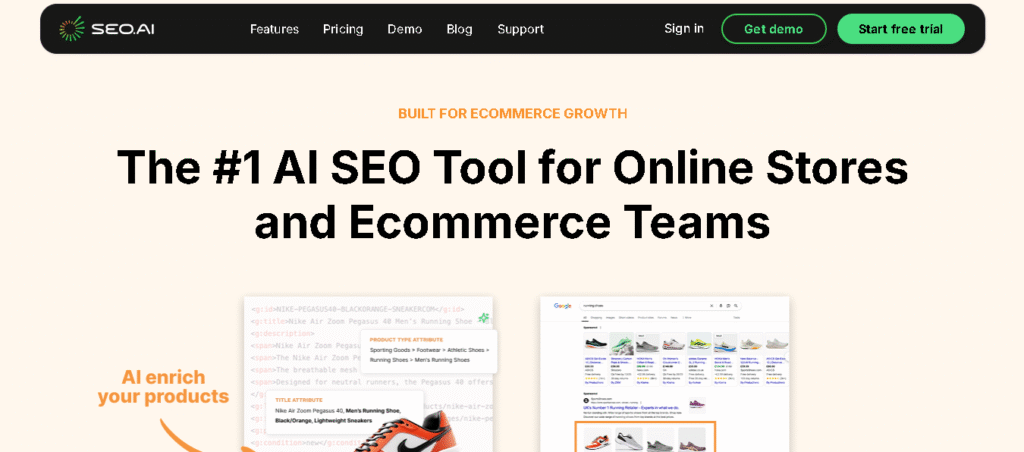
SEO.AI represents a new generation of AI-powered keyword tools that generate suggestions based on brief business descriptions rather than seed keywords alone. The platform analyzes business context to provide relevant keyword recommendations that align with specific industries, target audiences, and marketing objectives.
The tool’s AI algorithms understand business models and automatically generate keyword variations that support different stages of the customer journey. This comprehensive approach ensures keyword strategies address awareness, consideration, and conversion objectives within a unified framework.
Real-Time Processing and Scalability
SEO.AI offers unlimited keyword generation without signup requirements, making it ideal for rapid brainstorming and competitive analysis. The platform’s real-time processing capabilities enable quick keyword validation and opportunity assessment without the delays associated with traditional research tools.
The tool’s integration capabilities allow for seamless workflow incorporation, supporting both individual researchers and team collaboration. Export functionality enables easy integration with content management systems and SEO planning tools for comprehensive campaign implementation.
4. RyRob: Blogger-Focused Keyword Intelligence
Search Volume and Difficulty Integration
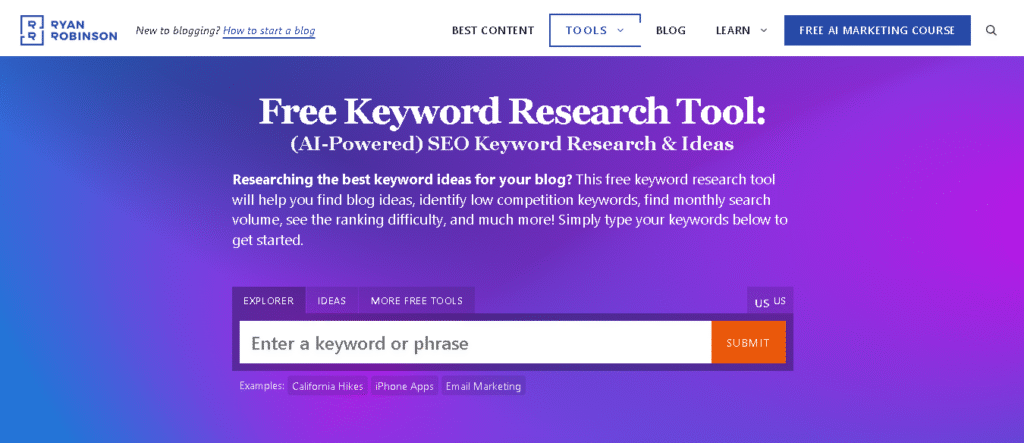
RyRob’s free keyword tool specifically targets bloggers and content creators with search volume data, keyword difficulty scores, and monthly search estimates. The platform focuses on realistic keyword opportunities, emphasizing long-tail keywords that offer achievable ranking potential for smaller websites.
The tool’s difficulty scoring system helps identify low-competition keywords with sufficient search volume to drive meaningful traffic. This balance between opportunity and competition makes RyRob particularly valuable for content creators seeking to establish topical authority in specific niches.
User-Friendly Interface and Accessibility
RyRob requires no login or registration, providing immediate access to keyword data without barriers. The clean interface and straightforward metrics make it accessible to beginners while providing sufficient depth for experienced SEO practitioners.
The platform’s focus on blogging use cases includes content idea generation and topic suggestion features that extend beyond traditional keyword research. This comprehensive approach supports the entire content creation workflow from initial research to publication.
5. Keyword Surfer: Real-Time Google Integration

Chrome Extension Functionality
Keyword Surfer transforms ordinary Google searches into comprehensive keyword research sessions through its free Chrome extension. The tool displays search volume data, related keywords, and competitive analysis directly within Google search results, eliminating the need for separate research platforms.
The extension provides real-time keyword data as users browse search results, enabling contextual research that reflects actual search behavior. This integration approach offers insights into keyword opportunities based on current search dynamics rather than historical data alone.
Comprehensive Data Collection
Keyword Surfer’s updated database provides more accurate search volume, cost-per-click, estimated traffic, and competitive analysis than previous versions. The tool includes exact keyword counts, word count analysis of competitor pages, and visibility metrics that support comprehensive competitive research.
The platform’s Collections feature allows users to organize and monitor important keywords without losing track of valuable opportunities. Export functionality provides CSV downloads for integration with broader SEO workflows and campaign management systems.
Geographic Targeting and Localization
Keyword Surfer supports keyword research across 70 countries, enabling localized SEO strategies and international market analysis. This geographic flexibility makes it valuable for businesses targeting specific regions or expanding into new markets.
The tool’s location-specific data helps identify regional keyword variations and search patterns that inform content localization strategies. This capability is particularly valuable for businesses with location-dependent services or products.
6. Google Trends: Predictive Keyword Intelligence

Seasonal Trend Analysis
Google Trends provides invaluable insights into keyword seasonality and trending topics that inform content timing and strategy optimization. The platform’s historical data reveals search pattern fluctuations that help optimize content publication schedules for maximum impact.
The tool’s ability to identify emerging trends before they reach peak popularity enables proactive content creation and early market positioning. This predictive capability provides competitive advantages by allowing businesses to capture traffic before keywords become highly competitive.
Comparative Analysis and Market Intelligence
Google Trends supports multi-keyword comparisons that reveal relative search interest and market dynamics. These comparative insights help prioritize keyword targets based on actual search behavior rather than theoretical metrics alone.
The platform’s geographic and demographic breakdowns provide market intelligence that supports targeted content strategies. Understanding regional search preferences and demographic patterns enables more effective audience targeting and content personalization.
YouTube Integration and Video Content Optimization
Google Trends includes YouTube search data that supports video content optimization and platform-specific keyword research. This integration enables comprehensive content strategies that span multiple search platforms and content formats.
The tool’s video search insights help identify trending topics and optimize video titles, descriptions, and tags for maximum visibility. This capability is particularly valuable as video content continues to grow in importance for SEO strategies.
Answer the Public Alternatives and Question-Based Research

AlsoAsked: Deep Question Mining
AlsoAsked provides three free searches daily, focusing on “People Also Asked” data that reveals question-based keyword opportunities. The tool organizes related questions in visual tree structures that show topic relationships and content hierarchy possibilities.
The platform’s deep search functionality allows progressive drilling down into specific topic areas. This expanding capability provides comprehensive topic coverage and ensures no relevant questions are overlooked in content planning.
AnswerSocrates: Comprehensive Free Access
AnswerSocrates offers genuine free access to all features without premium restrictions, providing extensive keyword research and clustering capabilities. The tool includes 5 searches daily, recursive search options, and clustering credits that support comprehensive content planning.
The platform’s development by SEO professionals ensures practical functionality that addresses real workflow challenges. The tool’s clustering capabilities reduce manual organization work while providing intelligent keyword grouping for content strategy development.
QuestionDB: Audience Question Discovery
QuestionDB specializes in uncovering audience questions and low-competition keywords with significant search potential. The platform provides detailed metrics including difficulty scores, competition levels, cost-per-click data, and search volume for comprehensive keyword evaluation.
The tool’s AI keyword extractor intelligently identifies relevant keywords from content and webpages. This analysis capability provides competitive intelligence and content gap identification that supports strategic content development.
7. Ubersuggest: Expanded Free Tier
Generous Free Plan Features
Ubersuggest has significantly expanded its free tier offerings, providing access to historical data, keyword suggestions, and basic SEO tools without payment requirements. The platform includes one project, 25 keyword tracking capabilities, and site audit functionality for comprehensive SEO management.
The tool’s AI writer feature provides 2,000 words monthly with content generation capabilities that support keyword-optimized content creation. This integration of keyword research and content creation streamlines the SEO workflow within a single platform.
Chrome Extension Integration
Ubersuggest’s Chrome extension provides 40 daily searches with keyword data overlay on search results pages. This browser integration enables contextual keyword research without leaving search result pages, improving research efficiency and workflow integration.
The extension’s functionality includes search volume data, keyword difficulty scores, and competitive analysis that supports real-time decision making. This immediate access to keyword intelligence enhances the practical utility of search-based research activities.
8. Soovle: Multi-Platform Keyword Aggregation
Cross-Platform Search Intelligence
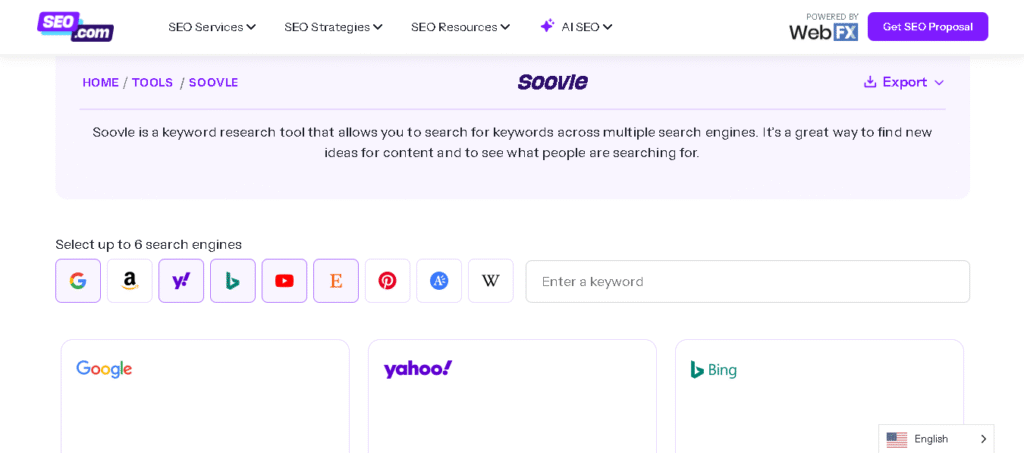
Soovle aggregates keyword suggestions from multiple search engines including Google, Bing, Amazon, YouTube, and Yahoo simultaneously. This comprehensive approach provides broader keyword perspectives and identifies platform-specific opportunities that single-source tools miss.
The tool’s customizable interface allows users to select specific search engines based on their target platforms and audiences. This flexibility makes Soovle valuable for businesses with diverse content distribution strategies and multi-platform marketing approaches.
Real-Time Suggestion Updates
Soovle provides real-time keyword suggestions that update dynamically as users type. This responsive functionality enables rapid keyword exploration and discovery of related terms without manual search processes.
The platform’s ability to save keyword suggestions supports organized research workflows and prevents loss of valuable keyword opportunities. Export capabilities enable integration with broader SEO tools and campaign management systems.
9. Keyworddit: Reddit-Based Keyword Mining
Social Media Intelligence
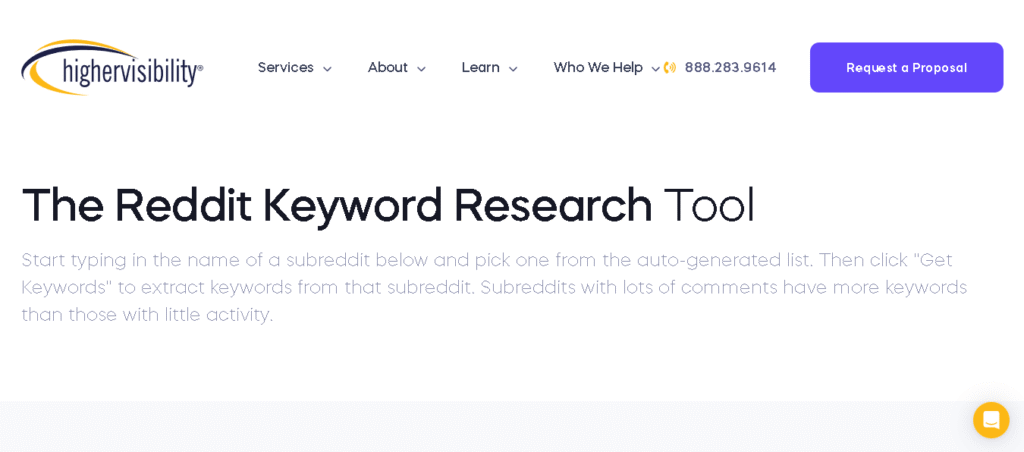
Keyworddit extracts keyword insights from Reddit discussions, providing access to conversational language and real user problems. The tool analyzes subreddit titles and comments to identify trending topics and authentic user language patterns.
The platform’s unique approach reveals long-tail keywords and niche-specific terminology that traditional tools often overlook. This social intelligence provides valuable insights into actual user needs and communication patterns that inform content strategy.
Export and Analysis Capabilities
Keyworddit provides CSV export functionality that enables easy integration with other SEO tools and spreadsheet analysis. The tool’s search volume data and keyword ranking features support quantitative analysis of Reddit-derived keyword opportunities.
The platform’s ability to filter results by upvotes, downvotes, and mention frequency provides quality metrics for keyword evaluation. This social validation data helps prioritize keywords based on actual user engagement and interest levels.
10. Moz Keyword Explorer: Professional Free Tier
Comprehensive Keyword Metrics
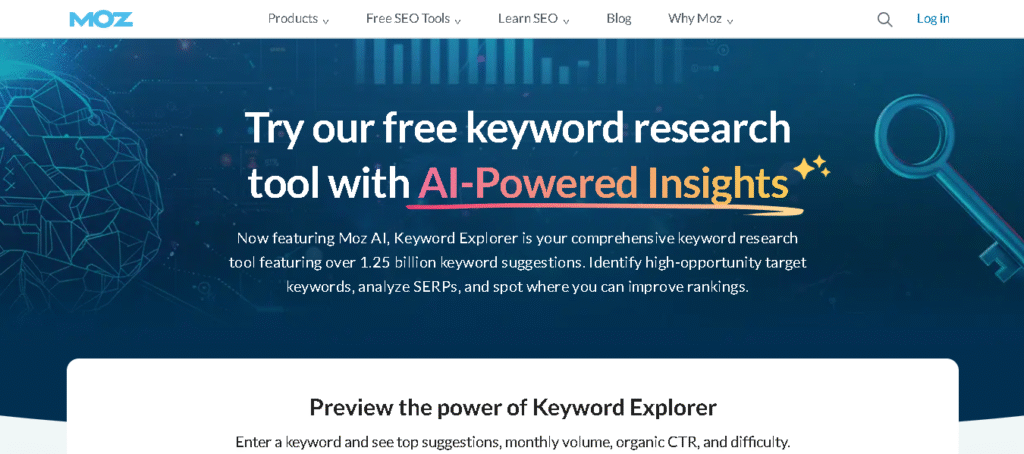
Moz Keyword Explorer’s free tier provides access to professional-grade keyword metrics including monthly volume, organic click-through rates, difficulty scores, and domain authority requirements. The platform’s data accuracy and comprehensive metric coverage rival paid alternatives.
The tool’s search intent analysis, powered by Moz AI, helps align keyword targeting with user expectations and content format preferences. This intent-based approach improves content planning and optimization strategies.
Ranking Opportunity Identification
Moz Keyword Explorer identifies keywords where websites rank just outside the top 10 positions. This “striking distance” analysis helps prioritize optimization efforts for maximum impact and efficient resource allocation.
The platform’s keyword grouping and clustering capabilities support strategic content planning. These organizational features help identify comprehensive topic coverage opportunities and internal linking possibilities.
Strategic Implementation and Best Practices
Tool Combination Strategies
Effective free keyword research requires strategic combination of multiple tools to overcome individual limitations and maximize coverage. Combining ChatGPT’s creative capabilities with Google Keyword Planner’s data accuracy and Keyword Surfer’s real-time insights provides comprehensive research coverage.
The optimal approach involves using AI tools for initial ideation, Google-based tools for validation, and specialized platforms for specific use cases like local SEO or question-based content. This multi-tool strategy ensures comprehensive keyword discovery while maintaining accuracy and relevance.
Workflow Optimization and Efficiency
Modern free keyword research workflows emphasize efficiency through tool integration and automated processes. Chrome extensions like Keyword Surfer and SEO Minion enable real-time research during competitive analysis and content planning activities.
The most effective workflows combine manual research with AI assistance, using tools like ChatGPT for strategic planning and Google Keyword Planner for data validation. This hybrid approach balances creativity with data-driven decision making for optimal results.
Quality Assurance and Validation
Free keyword research requires additional validation steps to ensure data accuracy and relevance. Cross-referencing findings across multiple tools helps identify discrepancies and validate keyword opportunities before significant resource investment.
Regular monitoring of keyword performance and search trend analysis helps maintain strategy relevance and identify optimization opportunities. This ongoing validation process ensures keyword strategies remain effective as search landscapes evolve.
Competitive Advantages Over Paid Tools
Cost-Effectiveness and Accessibility
Free AI keyword research tools have eliminated the financial barriers that previously limited access to professional SEO capabilities. Small businesses and individual content creators can now access sophisticated keyword intelligence without monthly subscription costs.
The elimination of usage restrictions in many free tools provides unlimited research capacity that often exceeds paid plan limitations. This accessibility enables comprehensive keyword research for businesses with limited marketing budgets.
Innovation and Cutting-Edge Features
Free tools often incorporate the latest AI technologies more rapidly than established paid platforms. The competitive pressure to attract users drives continuous innovation and feature development in free tool offerings.
Many free AI tools provide capabilities that exceed traditional paid alternatives, particularly in areas like natural language processing and conversational keyword research. This technological advancement makes free tools competitive with premium alternatives.
Community-Driven Development
Free tools often benefit from active user communities that provide feedback and drive feature development. This collaborative approach ensures tool functionality aligns with real user needs and workflow requirements.
The open development model of many free tools enables rapid iteration and improvement based on user feedback. This responsiveness often results in more practical and user-friendly functionality compared to corporate-developed paid alternatives.
Future Trends and Developments
AI Integration and Enhancement
The future of free keyword research tools lies in deeper AI integration and enhanced natural language processing capabilities. Upcoming developments include more sophisticated semantic analysis, predictive trend modeling, and automated content strategy generation.
Machine learning improvements will enable more accurate search intent prediction and keyword clustering. These advances will provide more strategic insights that support comprehensive content planning and optimization.
Real-Time Data Integration
Future free tools will incorporate more real-time data sources and dynamic updating capabilities. This evolution will provide more current keyword intelligence and enable responsive strategy adjustments based on trending topics and search behavior changes.
The integration of social media signals and user behavior data will enhance keyword research accuracy and relevance. These comprehensive data sources will provide more complete pictures of user intent and content opportunities.
Platform Specialization and Niche Focus
The development of specialized free tools for specific platforms and use cases will continue expanding. These focused solutions will provide deeper insights for particular industries, content types, and audience segments.
Voice search optimization and mobile-specific keyword research capabilities will become more prominent in free tool offerings. These specialized features will address evolving search behaviors and technology adoption patterns.
Conclusion: The New Era of Free Keyword Research
The landscape of keyword research has been fundamentally transformed by AI-powered free tools that now provide capabilities previously available only through expensive enterprise solutions. In 2025, businesses of all sizes can access sophisticated keyword intelligence through platforms like ChatGPT, Google Keyword Planner, SEO.AI, and specialized tools like Keyword Surfer and AlsoAsked.
The strategic advantage of these free tools lies not just in their cost-effectiveness but in their innovative AI capabilities that often exceed traditional paid platforms. ChatGPT’s conversational keyword research, Google Trends’ predictive analytics, and Ubersuggest’s expanded free tier demonstrate how free tools can provide comprehensive SEO intelligence without financial barriers.
Success with free keyword research tools requires strategic combination of multiple platforms to overcome individual limitations while maximizing coverage and accuracy. The most effective approach involves using AI tools for creative ideation, Google-based platforms for data validation, and specialized tools for specific use cases like question-based content or social media intelligence.
The future of keyword research belongs to businesses that effectively leverage these free AI-powered tools while maintaining strategic focus on user intent, content quality, and competitive positioning. As AI technology continues advancing, free tools will likely maintain their competitive edge through rapid innovation and community-driven development that prioritizes practical utility over profit margins.
For businesses seeking to optimize their SEO strategies in 2025, the combination of ChatGPT for strategic planning, Google Keyword Planner for data accuracy, Keyword Surfer for real-time insights, and specialized tools like QuestionDB and Keyworddit for niche intelligence provides a comprehensive keyword research solution that rivals any paid alternative. The key lies in understanding each tool’s strengths and integrating them into efficient workflows that support both immediate keyword discovery and long-term strategic planning.