

The copywriting landscape has been revolutionized by artificial intelligence, enabling businesses of all sizes to create high-converting content without expensive tools or extensive experience. In 2025, free AI copywriting tools have reached a level of sophistication that rivals premium platforms, offering features that were once exclusive to enterprise solutions. These intelligent systems leverage advanced natural language processing, machine learning algorithms, and conversion frameworks to generate persuasive copy that drives engagement and sales.
The competitive advantage of modern free AI copywriting tools lies in their ability to understand conversion psychology, implement proven frameworks like AIDA and PAS, and generate multiple variations for testing—all while maintaining brand voice consistency. Studies show that AI-assisted copywriters complete tasks 25.1% faster, handle 12.2% more tasks, and achieve over 40% higher quality compared to traditional methods. This transformation represents more than efficiency gains; it’s democratizing access to professional-grade copywriting capabilities that can significantly impact conversion rates and business growth.
The Science Behind AI-Powered Converting Copy
Understanding Conversion Psychology in AI Systems
Modern AI copywriting tools incorporate decades of marketing psychology research into their algorithms, automatically applying persuasion principles that drive action. These systems understand that effective conversion copy must address buyer psychology, speaking directly to customer pain points while presenting clear solutions and compelling calls to action. AI tools analyze successful marketing campaigns to identify patterns in language, structure, and emotional triggers that consistently produce results.
The most effective AI copywriting platforms integrate proven conversion frameworks directly into their generation process. Tools like Rytr and Copy.ai automatically structure content using AIDA (Attention, Interest, Desire, Action), PAS (Problem, Agitate, Solution), and other tested formulas that guide readers through the conversion funnel. This systematic approach ensures that generated copy follows established psychological principles rather than relying on random text generation.
Machine Learning and Conversion Optimization
AI copywriting tools continuously improve their conversion effectiveness through machine learning algorithms that analyze performance data across millions of campaigns. These systems learn from successful copy variations, identifying language patterns, emotional triggers, and structural elements that consistently drive higher engagement and conversion rates. The result is AI-generated content that becomes increasingly effective over time.
A/B testing capabilities built into many free AI tools enable rapid optimization of copy performance. Platforms like ChatGPT can generate multiple variations of headlines, subject lines, and calls to action in seconds, allowing marketers to test different approaches and identify the most effective messaging for their specific audience. This data-driven approach to copywriting optimization was previously available only through expensive enterprise platforms.
ChatGPT: The Master of Converting Copy
Advanced Prompting for High-Converting Content
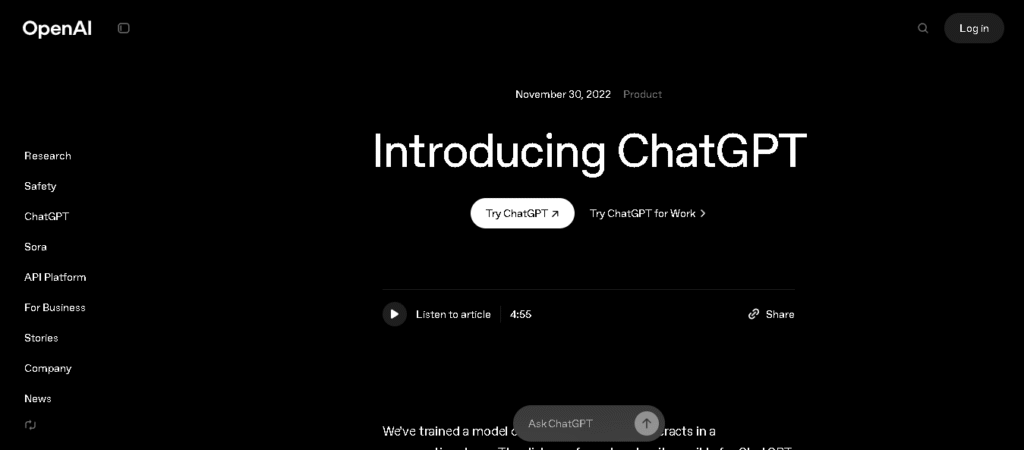
ChatGPT has emerged as the most versatile free AI copywriting tool when used with strategic prompts designed for conversion optimization. The platform excels at generating persuasive copy across all formats, from email sequences and sales pages to social media ads and product descriptions. Success with ChatGPT depends on understanding how to craft prompts that incorporate conversion psychology and clear objectives.
The most effective ChatGPT copywriting prompt structure includes specific elements: copy length, content type, target audience, tone of voice, desired action, and key features to highlight. For example: “Write a 150-word Facebook ad for [product] targeting [audience] using an [urgent] tone. The call to action is to [desired outcome]. Highlight [key benefits].” This structured approach ensures ChatGPT generates copy with clear conversion objectives rather than generic content.
Framework Integration and Persuasion Techniques
ChatGPT demonstrates exceptional capability in implementing proven copywriting frameworks when prompted correctly. The platform can automatically structure content using AIDA, PAS, or Before-After-Bridge formulas while maintaining natural language flow9. This framework integration ensures that generated copy follows established persuasion patterns that guide readers toward conversion actions.
Advanced ChatGPT techniques for conversion copywriting include role-playing prompts where the AI acts as a seasoned copywriter with specific expertise. Prompts like “Act as a direct response copywriter with 20 years of experience. Create a sales email that…” produce more sophisticated, conversion-focused content compared to basic generation requests. The conversational nature of ChatGPT enables iterative refinement, allowing users to test different angles and approaches until achieving optimal results.
Competitive Analysis and Voice Matching
ChatGPT’s analytical capabilities extend to competitive research and brand voice matching, enabling creation of copy that outperforms competitors while maintaining authentic brand personality. The platform can analyze competitor copy and suggest improvements, identify unique value propositions, and adapt messaging for different audience segments. This competitive intelligence capability was previously available only through expensive market research tools.
Copy.ai: Purpose-Built for Conversion Marketing
Templates and Workflow Optimization
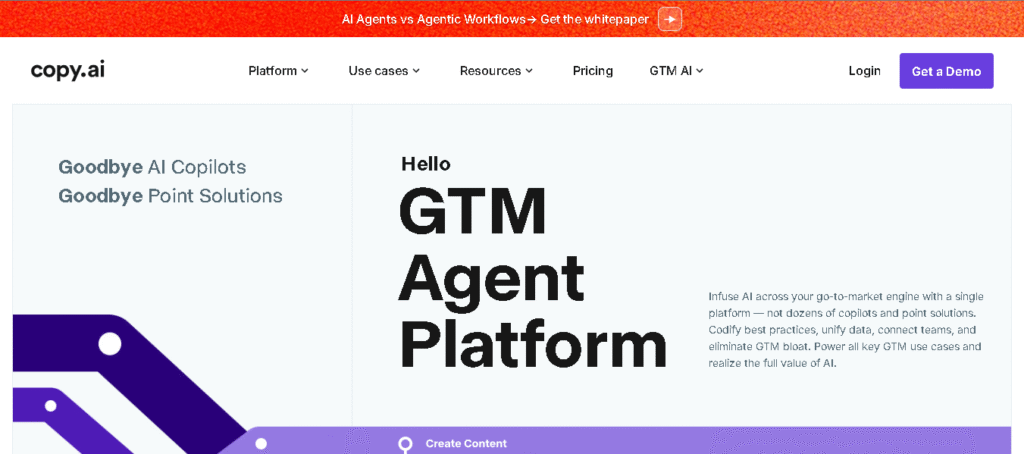
Copy.ai stands out among free AI copywriting tools through its extensive library of conversion-focused templates designed for specific marketing scenarios. The platform offers over 100 pre-built templates covering everything from product descriptions and email sequences to social media ads and sales pages. Each template incorporates proven conversion principles and guides users through the content creation process with specific prompts for maximum effectiveness.
The platform’s workflow approach streamlines conversion copywriting by breaking complex projects into manageable steps. Copy.ai’s templates prompt users for essential information including target audience, key benefits, pain points, and desired actions, ensuring that generated copy addresses all critical conversion elements. This structured approach produces more strategic, goal-oriented content compared to open-ended AI generation.
Advanced Features and Integrations
Copy.ai’s free plan provides access to sophisticated features typically found in premium tools, including tone adjustment, content length optimization, and multiple variation generation for A/B testing. The platform’s AI-powered content optimization analyzes generated copy for clarity, engagement, and conversion potential, providing suggestions for improvement before publication.
The tool’s integration capabilities enable seamless workflow incorporation with popular marketing platforms and content management systems. Copy.ai generates content that can be directly exported to email marketing platforms, social media schedulers, and website builders, eliminating the need for manual formatting and transfer. This workflow efficiency makes Copy.ai particularly valuable for small businesses and solo marketers managing multiple campaigns.
Jasper AI: Enterprise-Grade Features for Free Users
Brand Voice Consistency and Team Collaboration
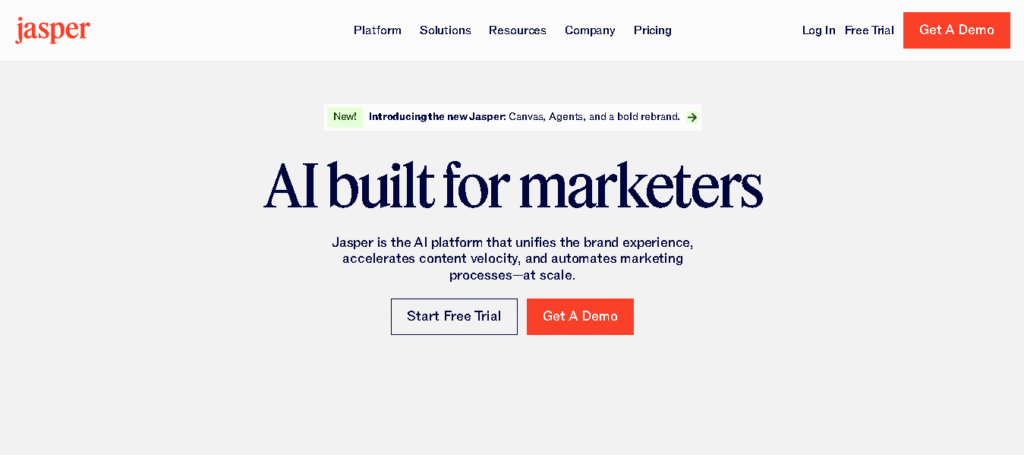
Jasper AI provides exceptional brand voice matching capabilities that ensure consistent messaging across all marketing channels. The platform’s Brand Voice feature analyzes existing content to understand communication patterns, tone preferences, and messaging style, then applies this understanding to all generated copy. This capability is crucial for conversion optimization because consistent brand voice builds trust and recognition, key factors in customer decision-making.
Team collaboration features in Jasper enable multiple users to work on copywriting projects while maintaining brand consistency and quality standards. The platform provides version control, approval workflows, and collaborative editing capabilities that streamline content creation for larger organizations. These enterprise-grade features, available through Jasper’s free trial and templates, enable small businesses to operate with the same professional standards as large corporations.
AIDA Framework Integration and Template Variety
Jasper’s implementation of the AIDA framework demonstrates sophisticated understanding of conversion psychology and customer journey mapping. The platform automatically structures content to capture attention with compelling headlines, build interest through benefit-focused descriptions, create desire by addressing emotional needs, and drive action with clear, urgent calls to action. This systematic approach ensures that generated copy guides readers through the complete conversion process.
The platform’s template library covers virtually every conversion copywriting scenario, from blog post introductions and email subject lines to product descriptions and advertising copy. Each template incorporates specific conversion optimization techniques appropriate for its use case, ensuring that generated content follows best practices for its intended purpose and audience.
Grammarly AI: Beyond Grammar to Conversion Enhancement
Writing Assistant with Conversion Focus
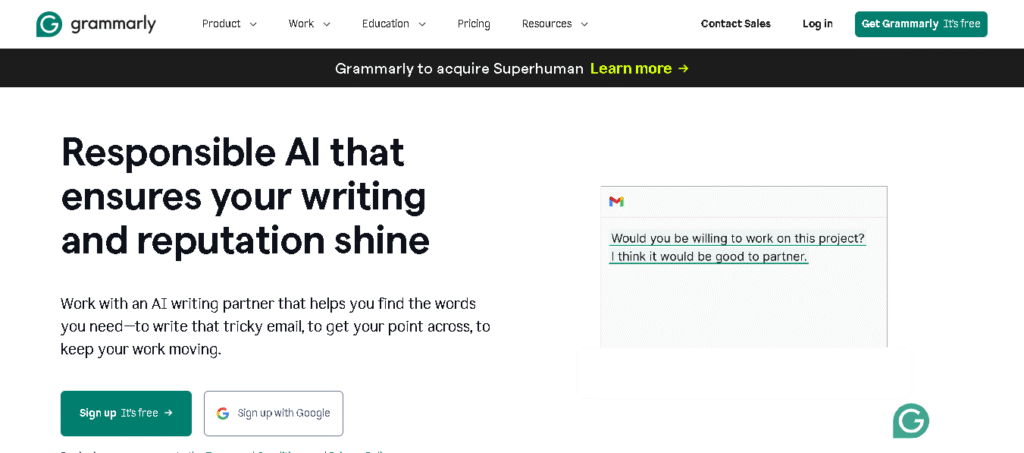
Grammarly has evolved beyond simple grammar checking to become a comprehensive AI writing assistant with significant conversion copywriting capabilities. The platform’s generative AI features help users overcome writer’s block while maintaining focus on conversion objectives. Grammarly can generate complete drafts, rewrite content for different audiences, and optimize messaging for specific goals—all while ensuring grammatical accuracy and readability.
The platform’s tone adjustment capabilities enable copy optimization for different audience segments and conversion scenarios. Grammarly can transform informal content into professional sales copy, adjust technical language for broader audiences, or inject urgency into call-to-action messaging. This flexibility makes Grammarly valuable for businesses targeting diverse customer segments with varied communication preferences.
Real-Time Optimization and Performance Enhancement
Grammarly’s real-time editing suggestions extend beyond grammar to include conversion optimization recommendations. The platform analyzes content for clarity, engagement, and persuasive impact while offering specific suggestions for improvement. This continuous optimization ensures that copy maintains high conversion potential throughout the writing process rather than requiring extensive revision after completion.
Integration across 500,000+ applications means Grammarly provides conversion copywriting assistance wherever users write, from email platforms and social media to content management systems and marketing automation tools. This ubiquitous presence enables consistent copy optimization across all marketing channels without switching between different tools or platforms.
Rytr: Specialized Templates for Converting Copy
Framework-Based Content Generation
Rytr distinguishes itself through specialized templates that automatically implement proven conversion frameworks including AIDA, PAS, and Before-After-Bridge formulas. The platform’s AIDA Copywriting Generator creates structured content that systematically guides readers through the conversion process while maintaining natural language flow. This framework integration ensures that generated copy follows established persuasion principles rather than generic text generation.
The platform’s use case specialization covers specific conversion scenarios including product descriptions, email sequences, social media ads, and landing page copy. Each template incorporates best practices for its particular format and conversion objective, producing copy that’s optimized for its intended use case. This specialization makes Rytr particularly effective for users who need conversion-focused content for specific marketing channels.
Multilingual Capabilities and Global Reach
Rytr supports over 30 languages with conversion-optimized templates for each market, enabling businesses to create persuasive copy for global audiences. The platform’s multilingual conversion copywriting maintains psychological effectiveness across different cultures and languages, adapting persuasion techniques for local market preferences while preserving conversion potential.
The tool’s affordability—with a completely free plan and paid options starting at $9/month—makes professional-grade conversion copywriting accessible to businesses of all sizes. This democratization of advanced copywriting capabilities enables small businesses and startups to compete with larger organizations in content quality and conversion effectiveness.
Notion AI: Integrated Workflow Conversion Optimization
Comprehensive Content Creation Environment
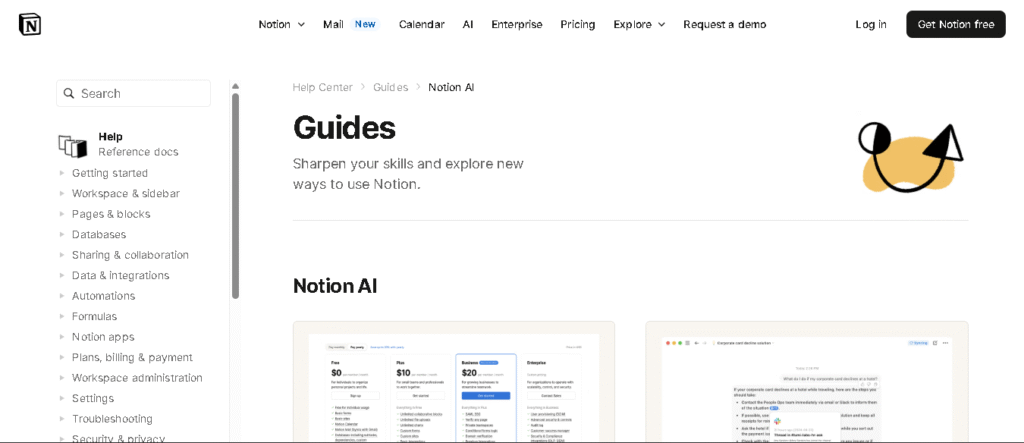
Notion AI integrates conversion copywriting directly into project management and content planning workflows, enabling strategic approach to campaign development. The platform’s AI writing capabilities generate copy that aligns with broader marketing strategies and brand objectives while maintaining consistency across multiple content types and channels. This integration ensures that conversion copy supports overall business goals rather than operating in isolation.
The platform’s collaborative features enable teams to develop, review, and optimize conversion copy within existing project management workflows. Notion AI provides version control, feedback management, and approval processes that streamline copy development while maintaining quality standards. This workflow integration makes Notion AI particularly valuable for businesses that require structured approach to content creation and optimization.
Content Optimization and Performance Tracking
Notion AI’s document analysis capabilities extend to conversion optimization through content structure analysis and suggestion generation. The platform can identify opportunities for improvement in existing copy, suggest framework implementation, and recommend messaging adjustments based on conversion psychology principles. This analytical approach enables continuous optimization of marketing content for improved performance.
Specialized Free Tools for Converting Copy Enhancement
QuillBot: Advanced Paraphrasing and Optimization
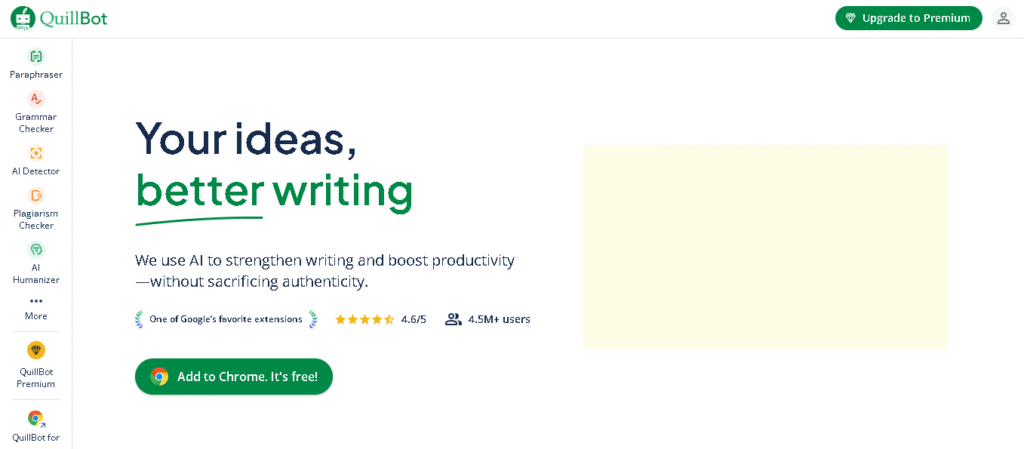
QuillBot provides sophisticated paraphrasing capabilities that enhance conversion copy by improving clarity, adjusting tone, and optimizing readability for different audiences. The platform’s AI rewriting modes include options specifically designed for marketing content, enabling users to transform generic copy into persuasive, conversion-focused messaging. This optimization capability makes QuillBot valuable for refining AI-generated content or improving existing marketing materials.
The platform’s grammar checking and style enhancement features ensure that conversion copy maintains professional quality while optimizing for persuasive impact. QuillBot can adjust sentence structure, word choice, and tone to align with conversion objectives while maintaining grammatical accuracy and readability. This dual focus on technical quality and persuasive effectiveness makes QuillBot an essential tool for conversion copywriting optimization.
HubSpot AI Content Writer: Marketing-Focused Generation
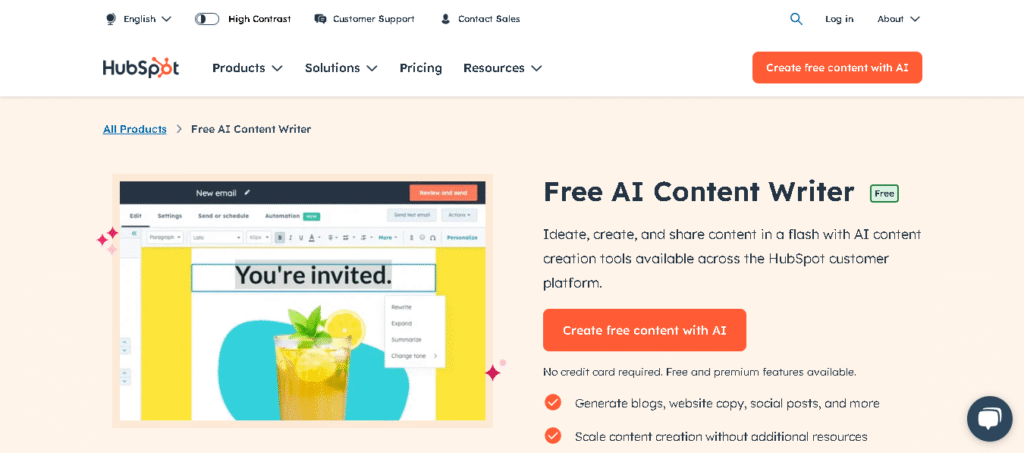
HubSpot’s free AI content writer specializes in marketing and sales copy with built-in conversion optimization features. The platform generates content specifically designed for lead generation, customer engagement, and sales conversion across multiple marketing channels. HubSpot’s AI understands marketing contexts and automatically incorporates persuasion techniques appropriate for different stages of the customer journey.
Integration with HubSpot’s marketing platform enables seamless workflow from content generation to campaign implementation and performance tracking. The AI writer generates copy that aligns with overall marketing strategies while providing analytics and optimization recommendations based on performance data. This integrated approach ensures that conversion copy contributes to measurable business results rather than operating as isolated content creation.
Simplified AI: All-in-One Creative Platform
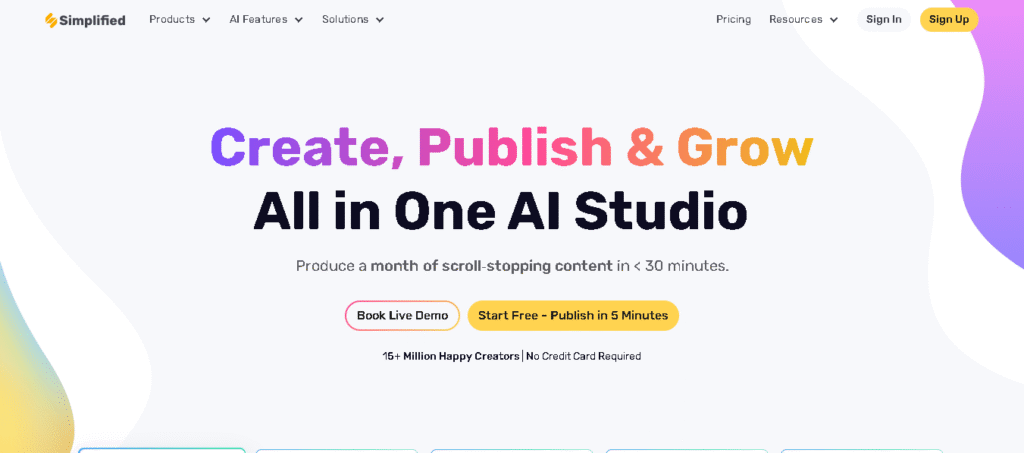
Simplified AI provides comprehensive copywriting capabilities within a broader creative platform that includes design and social media management tools. The platform’s PAS framework generator automatically structures content using proven conversion psychology while integrating with visual design tools for complete campaign creation. This integration enables businesses to create cohesive marketing campaigns that align copy and visual elements for maximum conversion impact.
The platform’s collaboration features support team-based conversion copywriting with approval workflows, brand management, and performance tracking capabilities. Simplified AI enables consistent brand voice and messaging across all marketing channels while providing tools for continuous optimization and improvement. This comprehensive approach makes Simplified AI valuable for businesses requiring integrated marketing solutions.
Advanced Copywriting Frameworks and AI Implementation
AIDA Framework Optimization
The AIDA (Attention, Interest, Desire, Action) framework remains one of the most effective structures for conversion copywriting, and AI tools excel at implementing this proven psychology. Modern AI platforms automatically structure content to capture attention through compelling headlines, build interest with benefit-focused descriptions, create desire by addressing emotional needs, and drive action with clear, urgent calls to action.
AI implementation of AIDA goes beyond simple structure to include psychological optimization at each stage. Attention-grabbing elements incorporate data, questions, and bold statements that interrupt pattern recognition and force engagement. Interest development focuses on unique value propositions and benefit-driven messaging that resonates with target audience needs. Desire creation leverages emotional triggers and social proof while action orientation provides clear, frictionless next steps.
PAS Formula for Problem-Solution Messaging
The PAS (Problem, Agitate, Solution) framework excels at creating urgency and emotional connection in conversion copy. AI tools implement PAS by systematically identifying customer pain points, amplifying the emotional impact of these problems, and presenting clear solutions that resolve the identified issues. This psychological progression creates strong motivation for immediate action.
AI-powered PAS implementation analyzes target audience characteristics to identify relevant problems and appropriate agitation techniques. The problem identification phase focuses on specific, relatable challenges that resonate with audience experience. Agitation amplifies emotional impact through consequence exploration and missed opportunity highlighting. Solution presentation provides clear, immediate relief while positioning the product or service as the optimal resolution path.
Before-After-Bridge Conversion Structure
The Before-After-Bridge framework creates powerful conversion copy by contrasting current problematic situations with desired future states, then positioning the product or service as the bridge between them. AI tools excel at this framework because they can analyze customer journey stages and create compelling narratives that guide prospects toward conversion decisions.
Before-state descriptions focus on pain points, frustrations, and limitations that prospects currently experience. After-state visualization presents compelling future scenarios where problems are resolved and goals achieved. Bridge positioning demonstrates how the product or service facilitates this transformation while addressing potential objections and concerns that might prevent conversion.
Measuring and Optimizing AI Copywriting Performance
Conversion Rate Analysis and Testing
Effective conversion copywriting requires continuous testing and optimization to maximize performance across different audiences and scenarios. AI-generated copy provides excellent foundation for A/B testing because multiple variations can be created rapidly, enabling comprehensive testing of different approaches, frameworks, and messaging strategies. This testing capability enables data-driven optimization that improves conversion rates over time.
Key metrics for AI copywriting performance include click-through rates, conversion rates, engagement metrics, and revenue attribution. Successful campaigns typically achieve click-through rates between 3-5% and conversion rates of 2-15% depending on industry and campaign type. AI-generated copy often performs comparably to human-written content while requiring significantly less time and resources for creation and optimization.
Framework Effectiveness and Optimization
Different conversion frameworks perform better in various scenarios, and AI tools enable rapid testing to identify optimal approaches for specific audiences and objectives. AIDA framework implementation typically works well for awareness-stage content and broad audience targeting, while PAS formulas excel in problem-aware audiences seeking solutions. Before-After-Bridge structures perform effectively for transformation-focused products and services.
Optimization strategies for AI-generated conversion copy include framework testing, audience segmentation, emotional trigger variation, and call-to-action optimization. Successful campaigns often combine multiple frameworks within longer content pieces, using AIDA for attention-grabbing introductions, PAS for problem identification, and Before-After-Bridge for solution positioning. This layered approach maximizes conversion potential across different psychology types and decision-making styles.
ROI and Business Impact Measurement
The business impact of AI copywriting tools extends beyond simple cost savings to include revenue generation, market expansion, and competitive positioning advantages. Organizations implementing AI copywriting report average time savings of 1-2 hours daily with some achieving 75-minute daily efficiency gains in energy and technology sectors. These time savings translate directly to cost reductions and increased capacity for strategic activities.
Revenue impact measurement requires tracking conversion rates, customer lifetime value, and attribution analysis across different copy variations and campaigns. Successful AI copywriting implementation typically results in 12-25% improvement in task completion speed with 40% higher quality outcomes compared to traditional methods. These improvements compound over time as AI tools learn from performance data and optimize for better results.
Industry-Specific Conversion Copy Applications
E-commerce and Product Marketing
E-commerce conversion copy requires specific focus on product benefits, customer objections, and purchase decision factors. AI tools excel at product description optimization by automatically incorporating persuasive elements including social proof, scarcity indicators, and benefit-focused messaging that drives purchase decisions. These tools can generate multiple variations for different product categories while maintaining consistent brand voice and conversion optimization.
Key elements for e-commerce conversion copy include compelling headlines that highlight primary benefits, detailed feature descriptions that connect to customer outcomes, social proof integration that builds confidence, and clear calls to action that minimize purchase friction. AI tools automatically incorporate these elements while adapting messaging for different product types and target audiences.
B2B Sales and Lead Generation
B2B conversion copy requires sophisticated understanding of complex sales cycles, multiple decision makers, and extended evaluation processes. AI copywriting tools address B2B complexity by generating content that speaks to different stakeholder concerns while maintaining consistent value propositions and conversion objectives. This multi-audience approach ensures that copy resonates with various decision influencers throughout the sales process.
B2B conversion optimization focuses on credibility building, ROI demonstration, and risk mitigation rather than emotional impulse triggers common in B2C marketing. AI tools generate copy that incorporates industry-specific language, technical accuracy, and authority indicators that build trust with professional audiences. Case study integration, testimonial positioning, and data-driven benefit statements enhance credibility and conversion potential.
Service-Based Business Marketing
Service-based businesses require conversion copy that builds trust, demonstrates expertise, and overcomes intangibility concerns that prevent purchase decisions. AI tools generate service-focused copy that emphasizes outcomes, processes, and transformation rather than product features, adapting messaging for different service categories and client segments. This outcome-focused approach addresses the unique challenges of marketing intangible services.
Trust-building elements in service-based conversion copy include expertise demonstration, process transparency, outcome guarantees, and testimonial integration. AI tools automatically incorporate these trust indicators while maintaining persuasive momentum toward conversion actions. The result is copy that overcomes service-specific objections while building confidence in the provider’s ability to deliver results.
Future Trends and Advanced Applications
Personalization and Dynamic Content Optimization
The future of AI copywriting lies in real-time personalization that adapts messaging based on individual user behavior, preferences, and engagement patterns. Advanced AI systems will generate conversion copy that automatically adjusts for different audience segments, traffic sources, and behavioral indicators while maintaining consistent brand voice and conversion optimization. This dynamic approach will significantly improve conversion rates through precise message targeting.
Personalization technologies will enable AI tools to analyze user journey data and generate copy that addresses specific concerns, interests, and decision factors for individual prospects. This level of customization will create more engaging, relevant experiences that drive higher conversion rates while reducing customer acquisition costs and improving lifetime value.
Integration with Marketing Automation and Analytics
Future AI copywriting tools will integrate seamlessly with marketing automation platforms, enabling automatic copy generation, testing, and optimization based on campaign performance data. These integrated systems will continuously optimize messaging across all marketing channels while maintaining consistency and conversion focus. This automation will enable businesses to scale conversion copywriting efforts without proportional increases in manual effort or costs.
Advanced analytics integration will provide real-time feedback on copy performance, enabling immediate optimization and adjustment based on conversion data. AI tools will learn from performance patterns to automatically improve messaging effectiveness while identifying opportunities for further optimization and testing.
Implementation Strategies and Best Practices
Strategic Tool Selection and Workflow Design
Successful AI copywriting implementation requires strategic tool selection based on specific business needs, target audiences, and conversion objectives. The most effective approach combines multiple AI tools to leverage their unique strengths while covering different aspects of the copywriting process. ChatGPT excels at initial generation and creative exploration, Copy.ai provides structured templates and workflows, while Grammarly ensures quality and optimization.
Workflow design should incorporate testing, optimization, and performance tracking from the beginning rather than treating these as afterthoughts. Effective workflows include prompt templates, approval processes, and performance measurement systems that ensure consistent quality while enabling continuous improvement. This systematic approach maximizes the conversion potential of AI-generated copy while maintaining brand standards and quality control.
Training and Team Development
Organizations implementing AI copywriting tools require training programs that develop both technical skills and strategic understanding of conversion psychology. Effective training programs cover prompt engineering, framework implementation, testing methodologies, and performance analysis techniques that maximize tool effectiveness. Team development should focus on using AI as enhancement rather than replacement for human creativity and strategic thinking.
Skill development areas include understanding conversion psychology, framework application, audience analysis, and performance optimization techniques. Teams that combine AI efficiency with human strategic insight achieve better results than those relying solely on either approach. This hybrid methodology leverages the speed and consistency of AI while maintaining the creativity and strategic thinking that drives exceptional results.
Conclusion:
Free AI copywriting tools have fundamentally transformed access to professional-grade conversion copywriting, enabling businesses of all sizes to create persuasive content that drives results. The evidence demonstrates clear advantages: AI-assisted copywriting delivers 25% faster completion times, 40% higher quality outcomes, and significant cost savings compared to traditional methods. These tools have democratized access to sophisticated copywriting capabilities previously available only through expensive agencies or extensive experience.
The most effective approach involves strategic combination of multiple free AI tools to leverage their unique strengths while maintaining focus on conversion psychology and performance optimization. ChatGPT provides unmatched creative flexibility and framework implementation, Copy.ai offers structured templates and workflow optimization, Grammarly ensures quality and readability, while specialized tools like Rytr and HubSpot address specific conversion scenarios and industry requirements.
Success with free AI copywriting tools requires understanding both the technical capabilities and psychological principles that drive conversions. The most effective users combine AI efficiency with proven frameworks like AIDA, PAS, and Before-After-Bridge while maintaining focus on audience needs, emotional triggers, and clear conversion objectives. This strategic approach ensures that AI-generated copy achieves business goals rather than simply producing generic content.
As AI technology continues advancing, free copywriting tools will become even more sophisticated in their understanding of conversion psychology, audience targeting, and performance optimization. Early adopters who master these tools while understanding conversion principles will maintain significant competitive advantages through improved efficiency, higher conversion rates, and reduced marketing costs. The future belongs to businesses that successfully integrate AI copywriting capabilities while preserving the human insights and strategic thinking that drive exceptional marketing results.
For businesses seeking to optimize their conversion copywriting in 2025, the combination of ChatGPT for creative generation, Copy.ai for structured workflows, Grammarly for quality assurance, and specialized tools for specific use cases provides a comprehensive solution that rivals any paid alternative. The key lies in understanding each tool’s strengths, implementing proven conversion frameworks, and maintaining focus on measurable business outcomes rather than simply generating content for its own sake.